Business data has existed for a long time, whether in filing cabinets, ledgers or storage devices. But today businesses both large and small have to deal with huge collections of data every day. This has seen the rise of data analytics trends that include deep learning, machine learning and dark data.
Unfortunately, small and medium businesses (SMB) have to struggle with making a decision on implementing data analytics. This is largely because many SMB owners assume that data analytics is strictly for large organizations – especially because of the expectation that it’s expensive and complicated.
Luckily, reduced tech costs have made it possible for small and medium businesses to afford technologies that were previously only cost-effective for big organizations.
Is the Cost and Effort Worth It?
Before the advent of big data analytics, customer data was collected using surveys or customer feedback forms. Analyzing such data is tedious, and it’s possible to miss out on important trends.
Also, imagine running marketing campaigns and having no way to track how effective the campaign was. If you do this in your business, you have no way to know who saw the ad or even the response.
Enter big data and analytics and the whole marketing landscape changes. With big data, a business has clear insights about customer behavior. This is possible because we now can track visitors to a website, the time a visitor spends on a given page, action taken such as making an order, the location the purchase came from and so many other details that help a business refine its marketing strategy.
Is it costly? You’d be surprised to know that you don’t need to purchase expensive software. You’ll find, for instance, that you can take advantage of data collected by the QuickBooks accounting software. And depending on your business needs, the software can be connected with low-cost platforms that enable more detailed analytics.
You also can get free platforms such as Google Analytics to analyze website traffic and gain insight into consumer behavior. Whatever your company size, you can take advantage of big data insights to better understand your customers.
Here are some reasons why it’s worth it:
Analytics help to launch effective marketing campaigns that result in better ROI.
Analytics help to track the customers in their sales cycle.
It’s possible to track the outcome of business decisions, such as promotional strategies.
You get to know which suppliers or other business partners to work with.
Provides insights on customers who are likely to pay on time based on historical payment data.
Improves customer service. This is possible when customer conversations from different channels are analyzed.
It helps to improve the product or service offered by a business.
Identifies trends and patterns. For instance, you can track frequently asked questions and then create a page to handle the common questions.
Helps create a strong bond with customers. By understanding customer interests, a business will then engage with their customers by creating personalized offers and campaigns.
On the tech side, big data is being used to detect and prevent fraud.
Analytics identify problematic areas of a business, and this makes it easier to come up with a response quickly before the problem escalates.
Become Smarter
When used correctly, data analytics can help a business gain a competitive advantage over other businesses. At the same time, it will also boost your business conversions and revenue. But collecting just any piece of data can be overwhelming and even a waste of time. The secret is in collecting data that will help you reduce business costs and increase your revenue.
Business data has existed for a long time, whether in filing cabinets, ledgers or storage devices. But today businesses both large and small have to deal with huge collections of data every day. This has seen the rise of data analytics trends that include deep learning, machine learning and dark data.
Unfortunately, small and medium businesses (SMB) have to struggle with making a decision on implementing data analytics. This is largely because many SMB owners assume that data analytics is strictly for large organizations – especially because of the expectation that it’s expensive and complicated.
Luckily, reduced tech costs have made it possible for small and medium businesses to afford technologies that were previously only cost-effective for big organizations.
Is the Cost and Effort Worth It?
Before the advent of big data analytics, customer data was collected using surveys or customer feedback forms. Analyzing such data is tedious, and it’s possible to miss out on important trends.
Also, imagine running marketing campaigns and having no way to track how effective the campaign was. If you do this in your business, you have no way to know who saw the ad or even the response.
Enter big data and analytics and the whole marketing landscape changes. With big data, a business has clear insights about customer behavior. This is possible because we now can track visitors to a website, the time a visitor spends on a given page, action taken such as making an order, the location the purchase came from and so many other details that help a business refine its marketing strategy.
Is it costly? You’d be surprised to know that you don’t need to purchase expensive software. You’ll find, for instance, that you can take advantage of data collected by the QuickBooks accounting software. And depending on your business needs, the software can be connected with low-cost platforms that enable more detailed analytics.
You also can get free platforms such as Google Analytics to analyze website traffic and gain insight into consumer behavior. Whatever your company size, you can take advantage of big data insights to better understand your customers.
Here are some reasons why it’s worth it:
Analytics help to launch effective marketing campaigns that result in better ROI.
Analytics help to track the customers in their sales cycle.
It’s possible to track the outcome of business decisions, such as promotional strategies.
You get to know which suppliers or other business partners to work with.
Provides insights on customers who are likely to pay on time based on historical payment data.
Improves customer service. This is possible when customer conversations from different channels are analyzed.
It helps to improve the product or service offered by a business.
Identifies trends and patterns. For instance, you can track frequently asked questions and then create a page to handle the common questions.
Helps create a strong bond with customers. By understanding customer interests, a business will then engage with their customers by creating personalized offers and campaigns.
On the tech side, big data is being used to detect and prevent fraud.
Analytics identify problematic areas of a business, and this makes it easier to come up with a response quickly before the problem escalates.
Become Smarter
When used correctly, data analytics can help a business gain a competitive advantage over other businesses. At the same time, it will also boost your business conversions and revenue. But collecting just any piece of data can be overwhelming and even a waste of time. The secret is in collecting data that will help you reduce business costs and increase your revenue.
Disclaimer
These articles provide general information on tax, accounting, and financial topics for small businesses and individuals. They are educational in nature and are not specific legal, accounting, financial, tax, or other professional advice, and should not be relied upon as such. This content was prepared by Service2Client and may have been reviewed or edited by the website owner for accuracy and compliance. Look for a trust mark below for verification details. No representation is made that any approach described will achieve a particular result, and no regulatory or professional body has reviewed or endorsed this content. Because each situation is different, readers should consult a qualified professional about their specific circumstances before acting. Images accompanying these articles are protected by copyright and may not be copied or reused.
For the most part, smartphones are your lifeline to the world. You connect with friends and family, shop and update your status on social media. However, you also store all your personal information on them and, these days, use them to do your banking. That’s why you need to take precautions. Here are a few critical things to do to make sure your information isn’t compromised.
Protect Your Smartphone
Your desktop and laptop are secure with anti-virus software and firewalls; the same should go for your phone. Here are five basic things you need to do ASAP: 1) Use a 4-digit PIN to lock your screen. If your phone is stolen, it’s harder for a thief to unlock it. Also, check to see if your phone has a feature that allows you to locate and remotely lock or erase data, should you lose it. This is called a “kill switch.” 2) Back up your data. Kind of basic, but it’s always important to be reminded. 3) Use location-based software to find your lost phone. 4) Install an antivirus app and software to erase the contents of a lost phone. And finally, 5) Update your apps to the latest versions and when downloading them, only choose those from publishers you trust.
Create a Strong Password
This is a no-brainer, but it’s imperative. Don’t use any part of your name or numbers from your birthday, or anything remotely personal. Make your password as complex and obscure as you can. Thieves can be smart. Don’t give them any chance to wreak havoc in your life.
Don’t Use Public Wi-Fi to Access Your Bank
Public Wi-Fi doesn’t have heightened levels of security, so make sure you use your phone’s data network or a secured Wi-Fi network when accessing sensitive information. If you don’t do this, you become vulnerable to hackers. You can never be too careful.
Don’t Save Usernames and Passwords in Your Browser
Sometimes, browsers give you the option to save your username and password. As convenient as this is, don’t do this. It could be easy for someone to gain direct access to your bank account if your phone is lost or stolen.
Don’t Follow Links
If you get an email or text from your bank, don’t click. It could be a phishing scam and could lead you to a “spoofed” website, which is a fake site created to look just like your bank’s official site. Always go to your bank’s site directly. Enter your bank’s web address into your phone and bookmark it. This way, you’ll avoid bogus sites and keep your money safe.
Log Out After Use
Even if you haven’t saved your credentials, it’s always important to do this when you’re finished banking. While this is convenient for the next time you do your banking, it’s leaving thieves an easy way in to steal all your assets should you leave your phone unattended, or worse, if it’s lost or stolen.
In a world that’s getting more and more digitized every day, shoring up your personal banking information just makes good sense. No one wants to put all that they’ve worked so hard for in jeopardy.
For the most part, smartphones are your lifeline to the world. You connect with friends and family, shop and update your status on social media. However, you also store all your personal information on them and, these days, use them to do your banking. That’s why you need to take precautions. Here are a few critical things to do to make sure your information isn’t compromised.
Protect Your Smartphone
Your desktop and laptop are secure with anti-virus software and firewalls; the same should go for your phone. Here are five basic things you need to do ASAP: 1) Use a 4-digit PIN to lock your screen. If your phone is stolen, it’s harder for a thief to unlock it. Also, check to see if your phone has a feature that allows you to locate and remotely lock or erase data, should you lose it. This is called a “kill switch.” 2) Back up your data. Kind of basic, but it’s always important to be reminded. 3) Use location-based software to find your lost phone. 4) Install an antivirus app and software to erase the contents of a lost phone. And finally, 5) Update your apps to the latest versions and when downloading them, only choose those from publishers you trust.
Create a Strong Password
This is a no-brainer, but it’s imperative. Don’t use any part of your name or numbers from your birthday, or anything remotely personal. Make your password as complex and obscure as you can. Thieves can be smart. Don’t give them any chance to wreak havoc in your life.
Don’t Use Public Wi-Fi to Access Your Bank
Public Wi-Fi doesn’t have heightened levels of security, so make sure you use your phone’s data network or a secured Wi-Fi network when accessing sensitive information. If you don’t do this, you become vulnerable to hackers. You can never be too careful.
Don’t Save Usernames and Passwords in Your Browser
Sometimes, browsers give you the option to save your username and password. As convenient as this is, don’t do this. It could be easy for someone to gain direct access to your bank account if your phone is lost or stolen.
Don’t Follow Links
If you get an email or text from your bank, don’t click. It could be a phishing scam and could lead you to a “spoofed” website, which is a fake site created to look just like your bank’s official site. Always go to your bank’s site directly. Enter your bank’s web address into your phone and bookmark it. This way, you’ll avoid bogus sites and keep your money safe.
Log Out After Use
Even if you haven’t saved your credentials, it’s always important to do this when you’re finished banking. While this is convenient for the next time you do your banking, it’s leaving thieves an easy way in to steal all your assets should you leave your phone unattended, or worse, if it’s lost or stolen.
In a world that’s getting more and more digitized every day, shoring up your personal banking information just makes good sense. No one wants to put all that they’ve worked so hard for in jeopardy.
These articles provide general information on tax, accounting, and financial topics for small businesses and individuals. They are educational in nature and are not specific legal, accounting, financial, tax, or other professional advice, and should not be relied upon as such. This content was prepared by Service2Client and may have been reviewed or edited by the website owner for accuracy and compliance. Look for a trust mark below for verification details. No representation is made that any approach described will achieve a particular result, and no regulatory or professional body has reviewed or endorsed this content. Because each situation is different, readers should consult a qualified professional about their specific circumstances before acting. Images accompanying these articles are protected by copyright and may not be copied or reused.
As we progress through life, we find there are certain things we can control and others we cannot. However, even with the things we can’t control, we can exercise good judgment based on facts, due diligence, historical patterns and a risk/reward calculation.
These strategies play an important role in retirement planning. When it comes to accumulation, spending and protecting your nest egg, financial analysts rely heavily on safety and probability planning strategies.
For example, a probability-based approach generally refers to investing. In other words, prices of stocks and bonds will vary over time, and as investors, we do not have control over the factors that cause those price swings – such as poor company management, a dip in sector growth, an economic decline, political instability and even global economic implications. We basically have to do our due diligence to ensure the securities we invest in are stable and well-managed, but in the end it’s a bit of a leap of faith. The markets will inevitably rise and fall and our equity investments will be impacted.
When it comes to retirement, financial advisors often recommend the following probability-based investments because they tend to be more stable and reliable:
Investment-grade bonds
High dividend-paying stocks
Real estate investment trusts (REITS)
Master limited partnerships (MLPs)
On the other hand, the safety side of the equation involves insurance products. Note that all guaranteed payouts are backed by the issuing insurer, not the Federal Deposit Insurance Corporation (FDIC) or the U.S. Treasury Department. So even though insurance products represent strategies that we consider “safe,” they are only as secure as the financial strength of the issuing insurance company.
Insurance contracts are based on insurance pools. This means they spread the risk of losing money across a wide pool of insured participants, betting that a portion of that pool will die early while others live longer. However, that risk is managed by the insurer instead of the contract owner, who is guaranteed to get paid no matter what happens in the investment markets or how many people in the insurance pool live a long time.
Among safety-based vehicles, you might want to consider a long-term care insurance policy to cover expenses should you need part- or full-time caregiving in the later stages of your life. Like homeowner’s insurance, this type of contract leverages manageable premiums to pay for expenses that you might otherwise not be able to afford.
Another safety contract is an income annuity, which offers the option to pay out a steady stream of income for the rest of your life and the life of your spouse – even if the payouts far exceed the premiums you paid. This is a way of ensuring you continue to receive income even if you run out of money.
A retirement plan doesn’t have to rely on safety or probability alone – you can combine these strategies. Many retirees feel more comfortable knowing they have a growth component in their portfolio to help offset the impact of long-term inflation. And within the safety allocation, you can even combine strategies. For example, a hybrid life insurance policy that offers a long-term care benefits rider allows you to draw from the contract if you need to pay for your own long-term care, which simply reduces the death benefit for your heirs. This way you don’t have to pay for coverage you don’t need, but it’s there if you do.
Safety vs. Probability: Planning For Retirement
February 1, 2020 · Blog, Financial Planning
⏱ 3 min read
As we progress through life, we find there are certain things we can control and others we cannot. However, even with the things we can’t control, we can exercise good judgment based on facts, due diligence, historical patterns and a risk/reward calculation.
These strategies play an important role in retirement planning. When it comes to accumulation, spending and protecting your nest egg, financial analysts rely heavily on safety and probability planning strategies.
For example, a probability-based approach generally refers to investing. In other words, prices of stocks and bonds will vary over time, and as investors, we do not have control over the factors that cause those price swings – such as poor company management, a dip in sector growth, an economic decline, political instability and even global economic implications. We basically have to do our due diligence to ensure the securities we invest in are stable and well-managed, but in the end it’s a bit of a leap of faith. The markets will inevitably rise and fall and our equity investments will be impacted.
When it comes to retirement, financial advisors often recommend the following probability-based investments because they tend to be more stable and reliable:
Investment-grade bonds
High dividend-paying stocks
Real estate investment trusts (REITS)
Master limited partnerships (MLPs)
On the other hand, the safety side of the equation involves insurance products. Note that all guaranteed payouts are backed by the issuing insurer, not the Federal Deposit Insurance Corporation (FDIC) or the U.S. Treasury Department. So even though insurance products represent strategies that we consider “safe,” they are only as secure as the financial strength of the issuing insurance company.
Insurance contracts are based on insurance pools. This means they spread the risk of losing money across a wide pool of insured participants, betting that a portion of that pool will die early while others live longer. However, that risk is managed by the insurer instead of the contract owner, who is guaranteed to get paid no matter what happens in the investment markets or how many people in the insurance pool live a long time.
Among safety-based vehicles, you might want to consider a long-term care insurance policy to cover expenses should you need part- or full-time caregiving in the later stages of your life. Like homeowner’s insurance, this type of contract leverages manageable premiums to pay for expenses that you might otherwise not be able to afford.
Another safety contract is an income annuity, which offers the option to pay out a steady stream of income for the rest of your life and the life of your spouse – even if the payouts far exceed the premiums you paid. This is a way of ensuring you continue to receive income even if you run out of money.
A retirement plan doesn’t have to rely on safety or probability alone – you can combine these strategies. Many retirees feel more comfortable knowing they have a growth component in their portfolio to help offset the impact of long-term inflation. And within the safety allocation, you can even combine strategies. For example, a hybrid life insurance policy that offers a long-term care benefits rider allows you to draw from the contract if you need to pay for your own long-term care, which simply reduces the death benefit for your heirs. This way you don’t have to pay for coverage you don’t need, but it’s there if you do.
Disclaimer
These articles provide general information on tax, accounting, and financial topics for small businesses and individuals. They are educational in nature and are not specific legal, accounting, financial, tax, or other professional advice, and should not be relied upon as such. This content was prepared by Service2Client and may have been reviewed or edited by the website owner for accuracy and compliance. Look for a trust mark below for verification details. No representation is made that any approach described will achieve a particular result, and no regulatory or professional body has reviewed or endorsed this content. Because each situation is different, readers should consult a qualified professional about their specific circumstances before acting. Images accompanying these articles are protected by copyright and may not be copied or reused.
Depreciation is an accounting process where the cost of an asset is accounted for and expensed over its useful life. It shows how the value of the asset decreases over time. Assets that can be depreciated include buildings, fixtures, production equipment, etc. For intangible assets, including many types of intellectual property, this process is called amortization. For commodities mined or harvested from the earth, such as lumber, crude oil or natural gas, this process is called depletion. Here are four common types of depreciation.
Straight Line Method
In order to determine depreciation using this method, the following formula is used:
Depreciation = (Asset cost – Salvage value) / Useful life
The salvage value is the asset’s remaining value after its useful life, and the remaining amount from the asset’s cost is depreciable. The depreciable amount is divided by the asset’s useful life that’s used for depreciation expensing.
Double Declining Balance Depreciation
In order to calculate this method of depreciation, the first step is to look at the asset cost. From there, its useful life must be established. Let’s assume an asset’s book value is $75,000, it has a useful life of 10 years and a salvage value of $8,050.
Depreciation = (100 percent / asset’s useful life) X 2
= (100 percent / 10) X 2 = 20 percent
Year 1 depreciation expense = $75,000 X 20 percent = $15,000
Year 2 depreciation expense = $60,000 ($75,000 – $15,000 from Year 1) X 20 percent = $12,000
When beginning the first year, the book value is used as a basis for the asset’s value. The ending book value, which is determined after subtracting depreciation, is the following year’s new book value that will be used to establish next year’s depreciation expense. After it’s repeated through its useful life, the salvage value is left.
Units of Production Depreciation Method
This type of depreciation method depreciates a business’ asset by the units it produces or how many hours the asset is to be run for production over its useful life.
Depreciation = (Number of items manufactured / useful life in measured units) X (asset cost – salvage value)
Let’s assume a supplement pill machine costs $50,000; it can produce 200 million vitamins over its lifetime; and it will have a salvage value of $2,500. This assumes it will produce 20 million vitamins in the first 12 months of operation.
(20 million / 200 million) = 10 percent X ($50,000 – $2,500) = $47,500
If the machine produces 10 percent of vitamins over its expected 200 million vitamin unit life, the resulting depreciation amount is $4,750. At the end of the first year the book value will be $45,250. Production amounts in future years will dictate how much may be depreciated.
Sum of the Years Digits Approach
Similar to other methods of depreciation, the Sum of the Years Digits (SYD) depreciation method is another type of depreciation that assigns the bulk of depreciation in the beginning years of an asset’s useful life. Looking at the formula is the best way to understand how it works.
Expensing Depreciation = (Asset’s remaining life / Sum of the years digits) X (Asset’s cost – salvage value)
If a machine that’s going to be used by a company to produce widgets costs $50,000, has a useful life of 16 years and a salvage value of $3,000, it would look as follows:
1. $50,000 – $3,000 = $47,000 Depreciation Base
2. With 16 years of useful life for the asset, the sum of the years would be: 1 + 2 + 3 + 4 + 5 +6 + 7 + 8 + 9 + 10 + 11 + 12 + 13 + 14 + 15 + 16 = 136. Using the machine referenced above during the first year would equal a Remaining Life of 16. Then, the Remaining Life of 16 years would be divided by the SYD of 136.
3. Using this example, for the first year of using the machine, the formula would be as follows:
16 years (remaining life) / 136 (SYD) = 0.11764. Then, 0.11764 X $47,000 (Depreciation Base) = $5,529.08
The next (or second) year’s depreciation expense would by 15 / 136 = 0.110294. Then, 0.110294 X $47,000 = $5,183.82
Each subsequent year the SYD would be divided by the remaining years until it’s exhausted and the salvage value should be met.
Depending on the type of business, the type of asset and the accounting approach, there are different ways to expense for property acquired during the course of business.
Understanding Four Types of Depreciation
February 1, 2020 · Blog, General Business News
⏱ 4 min read
Depreciation is an accounting process where the cost of an asset is accounted for and expensed over its useful life. It shows how the value of the asset decreases over time. Assets that can be depreciated include buildings, fixtures, production equipment, etc. For intangible assets, including many types of intellectual property, this process is called amortization. For commodities mined or harvested from the earth, such as lumber, crude oil or natural gas, this process is called depletion. Here are four common types of depreciation.
Straight Line Method
In order to determine depreciation using this method, the following formula is used:
Depreciation = (Asset cost – Salvage value) / Useful life
The salvage value is the asset’s remaining value after its useful life, and the remaining amount from the asset’s cost is depreciable. The depreciable amount is divided by the asset’s useful life that’s used for depreciation expensing.
Double Declining Balance Depreciation
In order to calculate this method of depreciation, the first step is to look at the asset cost. From there, its useful life must be established. Let’s assume an asset’s book value is $75,000, it has a useful life of 10 years and a salvage value of $8,050.
Depreciation = (100 percent / asset’s useful life) X 2
= (100 percent / 10) X 2 = 20 percent
Year 1 depreciation expense = $75,000 X 20 percent = $15,000
Year 2 depreciation expense = $60,000 ($75,000 – $15,000 from Year 1) X 20 percent = $12,000
When beginning the first year, the book value is used as a basis for the asset’s value. The ending book value, which is determined after subtracting depreciation, is the following year’s new book value that will be used to establish next year’s depreciation expense. After it’s repeated through its useful life, the salvage value is left.
Units of Production Depreciation Method
This type of depreciation method depreciates a business’ asset by the units it produces or how many hours the asset is to be run for production over its useful life.
Depreciation = (Number of items manufactured / useful life in measured units) X (asset cost – salvage value)
Let’s assume a supplement pill machine costs $50,000; it can produce 200 million vitamins over its lifetime; and it will have a salvage value of $2,500. This assumes it will produce 20 million vitamins in the first 12 months of operation.
(20 million / 200 million) = 10 percent X ($50,000 – $2,500) = $47,500
If the machine produces 10 percent of vitamins over its expected 200 million vitamin unit life, the resulting depreciation amount is $4,750. At the end of the first year the book value will be $45,250. Production amounts in future years will dictate how much may be depreciated.
Sum of the Years Digits Approach
Similar to other methods of depreciation, the Sum of the Years Digits (SYD) depreciation method is another type of depreciation that assigns the bulk of depreciation in the beginning years of an asset’s useful life. Looking at the formula is the best way to understand how it works.
Expensing Depreciation = (Asset’s remaining life / Sum of the years digits) X (Asset’s cost – salvage value)
If a machine that’s going to be used by a company to produce widgets costs $50,000, has a useful life of 16 years and a salvage value of $3,000, it would look as follows:
1. $50,000 – $3,000 = $47,000 Depreciation Base
2. With 16 years of useful life for the asset, the sum of the years would be: 1 + 2 + 3 + 4 + 5 +6 + 7 + 8 + 9 + 10 + 11 + 12 + 13 + 14 + 15 + 16 = 136. Using the machine referenced above during the first year would equal a Remaining Life of 16. Then, the Remaining Life of 16 years would be divided by the SYD of 136.
3. Using this example, for the first year of using the machine, the formula would be as follows:
16 years (remaining life) / 136 (SYD) = 0.11764. Then, 0.11764 X $47,000 (Depreciation Base) = $5,529.08
The next (or second) year’s depreciation expense would by 15 / 136 = 0.110294. Then, 0.110294 X $47,000 = $5,183.82
Each subsequent year the SYD would be divided by the remaining years until it’s exhausted and the salvage value should be met.
Depending on the type of business, the type of asset and the accounting approach, there are different ways to expense for property acquired during the course of business.
Disclaimer
These articles provide general information on tax, accounting, and financial topics for small businesses and individuals. They are educational in nature and are not specific legal, accounting, financial, tax, or other professional advice, and should not be relied upon as such. This content was prepared by Service2Client and may have been reviewed or edited by the website owner for accuracy and compliance. Look for a trust mark below for verification details. No representation is made that any approach described will achieve a particular result, and no regulatory or professional body has reviewed or endorsed this content. Because each situation is different, readers should consult a qualified professional about their specific circumstances before acting. Images accompanying these articles are protected by copyright and may not be copied or reused.
Starting a side hustle today is easier than ever. Between the numerous websites that act as marketplaces and project jobs that can be found on the internet, almost anyone can turn a skill or hobby they have into something they can make money off. Many people who do this are just looking to make a little extra money on the side, but this side hustle can turn into something bigger – and this is where the tax and legal questions come in.
Sole Proprietorship
For someone just starting or looking to make a little extra on the side, there’s nothing special you need to do when it comes to filing your federal taxes. Just complete an extra form that is called Schedule C of your personal tax return. This is referred to as doing business as a sole proprietorship.
But that is where the simplicity stops. While organizing your business, the default way as a sole proprietor takes the least effort and expense; however, there are risks associated with this path, particularly legal liability risks.
Legal Risks
The biggest problem is that the sole proprietorships form leaves personal as well as business assets exposed to the risk of being sued. Lawyers will often recommend that the moment a business has paying clients, it should be converted to an LLC or corporation to provide legal protection by separating the business and personal assets.
While this legal advice is technically true, it doesn’t consider the cost-benefit of the situation. The problem is that the costs of forming and running an LLC or corporation can easily exceed the money earned from a side hustle. Combine this with the probability of getting sued at all (in each personal situation) and for most side hustles, it’s simply not worth it to form an LLC or corporation. The key question then is when is it worth it to switch from a sole proprietorship to an LLC or a corporation?
When Side Hustle Grows Up
What about the taxation issue? Generally, tax savings aren’t a good reason to convert a sole proprietorship to an LLC or corporation. Particularly, making the move from a sole proprietorship to a single-member LLC will not help for tax purposes and in fact may only increase your chances of an audit. Moreover, operating as an LLC will cost more both for the initial filing as well as ongoing annual expenses. Legal liability remains the main reason to convert the entity structure.
Hidden Tax Issues
All three pass-through entity types (sole proprietor, LLC and S-Corporations) calculate your income in the exact same way under current laws. There is however a hidden tax to consider: the self-employment tax. Self-employment taxes are paid on all sole proprietor earnings, but only on the salary portion of LLC or S-Corp earnings. Any profits over and above your salary are considered dividend payments and are not subject to self-employment taxes.
Unfortunately, the income level needed to change entity structures depends on each individual situation, but you’ll need the savings to at least cover the initial and long-term compliance costs of filings, fees and tax preparation costs. Let’s look at two examples to see how this works.
Imagine a business is earning $100,000 in net profit and from this, you pay yourself $40,000 as salary and take the remaining $50,000 as dividends. At the current 15.3 percent self-employment tax rate, this translates into a savings of $7,650. Now imagine a side hustle that only earns $25,000 from which you take $15,000 as salary and the remaining $10,000 as dividends. This only translates into $1,530 in tax savings.
In the first case above, you’ve not only generated enough tax savings to more than cover your tax preparation and filing costs, but you’ll end up with more money in your pocket and have stronger legal protection. In the second case, you’ll barely save enough to cover your costs – and you’ll create more work for yourself.
Conclusion
Your side hustle might be small right now, but tomorrow it could grow into the next big thing, so make sure your organizational structure makes sense now.
When Should You Switch Your Side Hustle to a Business Entity Structure?
February 1, 2020 · Blog, Tax and Financial News
⏱ 4 min read
Starting a side hustle today is easier than ever. Between the numerous websites that act as marketplaces and project jobs that can be found on the internet, almost anyone can turn a skill or hobby they have into something they can make money off. Many people who do this are just looking to make a little extra money on the side, but this side hustle can turn into something bigger – and this is where the tax and legal questions come in.
Sole Proprietorship
For someone just starting or looking to make a little extra on the side, there’s nothing special you need to do when it comes to filing your federal taxes. Just complete an extra form that is called Schedule C of your personal tax return. This is referred to as doing business as a sole proprietorship.
But that is where the simplicity stops. While organizing your business, the default way as a sole proprietor takes the least effort and expense; however, there are risks associated with this path, particularly legal liability risks.
Legal Risks
The biggest problem is that the sole proprietorships form leaves personal as well as business assets exposed to the risk of being sued. Lawyers will often recommend that the moment a business has paying clients, it should be converted to an LLC or corporation to provide legal protection by separating the business and personal assets.
While this legal advice is technically true, it doesn’t consider the cost-benefit of the situation. The problem is that the costs of forming and running an LLC or corporation can easily exceed the money earned from a side hustle. Combine this with the probability of getting sued at all (in each personal situation) and for most side hustles, it’s simply not worth it to form an LLC or corporation. The key question then is when is it worth it to switch from a sole proprietorship to an LLC or a corporation?
When Side Hustle Grows Up
What about the taxation issue? Generally, tax savings aren’t a good reason to convert a sole proprietorship to an LLC or corporation. Particularly, making the move from a sole proprietorship to a single-member LLC will not help for tax purposes and in fact may only increase your chances of an audit. Moreover, operating as an LLC will cost more both for the initial filing as well as ongoing annual expenses. Legal liability remains the main reason to convert the entity structure.
Hidden Tax Issues
All three pass-through entity types (sole proprietor, LLC and S-Corporations) calculate your income in the exact same way under current laws. There is however a hidden tax to consider: the self-employment tax. Self-employment taxes are paid on all sole proprietor earnings, but only on the salary portion of LLC or S-Corp earnings. Any profits over and above your salary are considered dividend payments and are not subject to self-employment taxes.
Unfortunately, the income level needed to change entity structures depends on each individual situation, but you’ll need the savings to at least cover the initial and long-term compliance costs of filings, fees and tax preparation costs. Let’s look at two examples to see how this works.
Imagine a business is earning $100,000 in net profit and from this, you pay yourself $40,000 as salary and take the remaining $50,000 as dividends. At the current 15.3 percent self-employment tax rate, this translates into a savings of $7,650. Now imagine a side hustle that only earns $25,000 from which you take $15,000 as salary and the remaining $10,000 as dividends. This only translates into $1,530 in tax savings.
In the first case above, you’ve not only generated enough tax savings to more than cover your tax preparation and filing costs, but you’ll end up with more money in your pocket and have stronger legal protection. In the second case, you’ll barely save enough to cover your costs – and you’ll create more work for yourself.
Conclusion
Your side hustle might be small right now, but tomorrow it could grow into the next big thing, so make sure your organizational structure makes sense now.
Disclaimer
These articles provide general information on tax, accounting, and financial topics for small businesses and individuals. They are educational in nature and are not specific legal, accounting, financial, tax, or other professional advice, and should not be relied upon as such. This content was prepared by Service2Client and may have been reviewed or edited by the website owner for accuracy and compliance. Look for a trust mark below for verification details. No representation is made that any approach described will achieve a particular result, and no regulatory or professional body has reviewed or endorsed this content. Because each situation is different, readers should consult a qualified professional about their specific circumstances before acting. Images accompanying these articles are protected by copyright and may not be copied or reused.
Reauthorizing Security for Supreme Court Justices Act of 2019 (HR 4258) – This bill reauthorizes the Marshal of the Supreme Court and the Supreme Court Police to protect the Justices of the Supreme Court, their employees and official guests outside of the Supreme Court grounds. The legislation was sponsored by Rep. Greg Stanton (D-AZ). It was introduced on Sept. 9, 2019, and signed into law by the president on Nov. 27, 2019.
Farm Workforce Modernization Act of 2019 (HR 5038) – This bill amends the Immigration and Nationality Act to provide for terms and conditions for nonimmigrant workers performing agricultural labor. Under this law, certified agricultural worker (CAW) status may be granted to someone who 1) performed at least 1,035 hours of agricultural labor during the two-year period prior to Oct. 30, 2019, 2) was inadmissible or deportable on that date, and 3) has been continuously present in the United States from that date until receiving CAW status. The CAW status is valid for five and a half years with the option to extend, and the Department of Homeland Security may grant dependent status to the spouse or children of a principal alien. The legislation was introduced by Rep. Zoe Lofgren (D-CA) on Nov. 12, 2019, and passed in the House in December 2019. It is currently in the Senate for consideration.
Television Viewer Protection Act of 2019 (HR 5035) – This bill was introduced by Rep. Michael Doyle Jr. (D-PA) on Nov. 12, 2019, passed in the House of Representatives and currently awaits review in the Senate. The legislation would ban hidden fees from cable providers by requiring them to disclose all itemized charges, fees and estimated taxes in the total price before a consumer signs up for a video package (whether offered individually or as part of a bundle). The bill also would give customers the right to cancel service without penalty within 24 hours of purchasing the service plan.
The Over-the-Counter Monograph Safety, Innovation and Reform Act (S 2740) – Introduced on Oct. 30, 2019, by Sen. John Isakson (R-GA), this bill would add new incentives to the FDA’s process for approving drugs that do not require a prescription. It would allow an over-the-counter drug manufacturer to request 18 months of exclusivity upon FDA approval for products that are new to the OTC market. The application would require a user fee ranging from $100,000 to $500,000, depending on the type of OTC product. This legislation passed the Senate on Dec. 10, 2019, and is currently under consideration in the House.
Engineering Biology Research and Development Act of 2019 (HR 4373) – This bill would establish a federal engineering biology research initiative to bolster U.S. leadership in engineering biology, among other provisions. The bill was introduced on Sept. 18, 2019, by Rep. Eddie Johnson (D-TX) and passed the House on Dec. 9, 2019. It is currently in the Senate.
Department of Homeland Security Office of Civil Rights and Civil Liberties Authorization Act (HR 4713) – Following the emergence of whistleblowers worried about their civil rights, this legislation would give the Civil Rights and Civil Liberties Office new authority to ensure that the rights of individuals subject to its programs and activities are protected. Specifically, the bill would allow each Homeland Security department to appoint its own civil rights and liberties officer and grant them the authority to access all relevant department records, as well as subpoena non-federal entities. The bill was introduced on Oct. 17, 2019, by Rep. Al Green (D-TX) and passed in the House on Dec. 9, 2019. It is currently awaiting consideration by the Senate.
Protecting TV Viewers, Whistleblowers and Supreme Court Justices; New Status Provisions for Immigrant Workers; and OTC Drugs
January 1, 2020 · Blog, Congress at Work
⏱ 3 min read
Reauthorizing Security for Supreme Court Justices Act of 2019 (HR 4258) – This bill reauthorizes the Marshal of the Supreme Court and the Supreme Court Police to protect the Justices of the Supreme Court, their employees and official guests outside of the Supreme Court grounds. The legislation was sponsored by Rep. Greg Stanton (D-AZ). It was introduced on Sept. 9, 2019, and signed into law by the president on Nov. 27, 2019.
Farm Workforce Modernization Act of 2019 (HR 5038) – This bill amends the Immigration and Nationality Act to provide for terms and conditions for nonimmigrant workers performing agricultural labor. Under this law, certified agricultural worker (CAW) status may be granted to someone who 1) performed at least 1,035 hours of agricultural labor during the two-year period prior to Oct. 30, 2019, 2) was inadmissible or deportable on that date, and 3) has been continuously present in the United States from that date until receiving CAW status. The CAW status is valid for five and a half years with the option to extend, and the Department of Homeland Security may grant dependent status to the spouse or children of a principal alien. The legislation was introduced by Rep. Zoe Lofgren (D-CA) on Nov. 12, 2019, and passed in the House in December 2019. It is currently in the Senate for consideration.
Television Viewer Protection Act of 2019 (HR 5035) – This bill was introduced by Rep. Michael Doyle Jr. (D-PA) on Nov. 12, 2019, passed in the House of Representatives and currently awaits review in the Senate. The legislation would ban hidden fees from cable providers by requiring them to disclose all itemized charges, fees and estimated taxes in the total price before a consumer signs up for a video package (whether offered individually or as part of a bundle). The bill also would give customers the right to cancel service without penalty within 24 hours of purchasing the service plan.
The Over-the-Counter Monograph Safety, Innovation and Reform Act (S 2740) – Introduced on Oct. 30, 2019, by Sen. John Isakson (R-GA), this bill would add new incentives to the FDA’s process for approving drugs that do not require a prescription. It would allow an over-the-counter drug manufacturer to request 18 months of exclusivity upon FDA approval for products that are new to the OTC market. The application would require a user fee ranging from $100,000 to $500,000, depending on the type of OTC product. This legislation passed the Senate on Dec. 10, 2019, and is currently under consideration in the House.
Engineering Biology Research and Development Act of 2019 (HR 4373) – This bill would establish a federal engineering biology research initiative to bolster U.S. leadership in engineering biology, among other provisions. The bill was introduced on Sept. 18, 2019, by Rep. Eddie Johnson (D-TX) and passed the House on Dec. 9, 2019. It is currently in the Senate.
Department of Homeland Security Office of Civil Rights and Civil Liberties Authorization Act (HR 4713) – Following the emergence of whistleblowers worried about their civil rights, this legislation would give the Civil Rights and Civil Liberties Office new authority to ensure that the rights of individuals subject to its programs and activities are protected. Specifically, the bill would allow each Homeland Security department to appoint its own civil rights and liberties officer and grant them the authority to access all relevant department records, as well as subpoena non-federal entities. The bill was introduced on Oct. 17, 2019, by Rep. Al Green (D-TX) and passed in the House on Dec. 9, 2019. It is currently awaiting consideration by the Senate.
Disclaimer
These articles provide general information on tax, accounting, and financial topics for small businesses and individuals. They are educational in nature and are not specific legal, accounting, financial, tax, or other professional advice, and should not be relied upon as such. This content was prepared by Service2Client and may have been reviewed or edited by the website owner for accuracy and compliance. Look for a trust mark below for verification details. No representation is made that any approach described will achieve a particular result, and no regulatory or professional body has reviewed or endorsed this content. Because each situation is different, readers should consult a qualified professional about their specific circumstances before acting. Images accompanying these articles are protected by copyright and may not be copied or reused.
The SECURE Act of 2019 is a broad bill with the purpose of increasing access to tax-advantaged retirement accounts in order to prevent retirees from outliving their assets. It mostly impacts those already in retirement or close to it.
1. RMD Relief: Previously, IRA and employer-sponsored retirement plan holders were required to start taking Required Minimum Distributions (RMDs) from age 70½ to age 72. This will give retirees more time to let their savings grow tax-free.
2. More Planning Opportunities for Roth IRAs: The change in the RMD age described above means account holders will have an extra two years to do a Roth IRA conversion. This can be important because unlike traditional IRAs, Roth IRAs are not subject to RMDs during the taxpayer’s lifetime.
3. More Chances to Save: Previously tax-deductible IRA contributions were forbidden after age 70½. The SECURE Act gets rid of this restriction, so if you are still earning money in your 70s and onward, you’ll have the opportunity to save into a deductible IRA.
4. Easier for Small Businesses to Establish Retirement Plans: The SECURE Act allows a greater number of small businesses to join up to give employees Multiple Employer Plans (or MEPs) starting in 2021. This eases the administrative burden and costs of offering retirement plans. The hope is that more small employers will begin to offer plans.
5. Guaranteed Income for Life: Employers will now be able to allow employees to change their retirement plan savings into annuities without the fear of a lawsuit being filed against them – in the case the insurer they pick fails to pay the annuity payments.
6. Removes “Stretch” Provisions: Prior to the SECURE Act, traditional IRA beneficiaries typically had to take RMDs over their own life expectancy, extending the tax benefits of the retirement account. Starting on Jan. 1, 2020, the SECURE Act changes this rule. Now, most beneficiaries only have 10 years to liquidate their entire inherited retirement account (with some exemptions, such as surviving spouses and minor children).
The SECURE Act of 2019
January 1, 2020 · Blog, Guest Post of the Month
⏱ 2 min read
The SECURE Act of 2019 is a broad bill with the purpose of increasing access to tax-advantaged retirement accounts in order to prevent retirees from outliving their assets. It mostly impacts those already in retirement or close to it.
1. RMD Relief: Previously, IRA and employer-sponsored retirement plan holders were required to start taking Required Minimum Distributions (RMDs) from age 70½ to age 72. This will give retirees more time to let their savings grow tax-free.
2. More Planning Opportunities for Roth IRAs: The change in the RMD age described above means account holders will have an extra two years to do a Roth IRA conversion. This can be important because unlike traditional IRAs, Roth IRAs are not subject to RMDs during the taxpayer’s lifetime.
3. More Chances to Save: Previously tax-deductible IRA contributions were forbidden after age 70½. The SECURE Act gets rid of this restriction, so if you are still earning money in your 70s and onward, you’ll have the opportunity to save into a deductible IRA.
4. Easier for Small Businesses to Establish Retirement Plans: The SECURE Act allows a greater number of small businesses to join up to give employees Multiple Employer Plans (or MEPs) starting in 2021. This eases the administrative burden and costs of offering retirement plans. The hope is that more small employers will begin to offer plans.
5. Guaranteed Income for Life: Employers will now be able to allow employees to change their retirement plan savings into annuities without the fear of a lawsuit being filed against them – in the case the insurer they pick fails to pay the annuity payments.
6. Removes “Stretch” Provisions: Prior to the SECURE Act, traditional IRA beneficiaries typically had to take RMDs over their own life expectancy, extending the tax benefits of the retirement account. Starting on Jan. 1, 2020, the SECURE Act changes this rule. Now, most beneficiaries only have 10 years to liquidate their entire inherited retirement account (with some exemptions, such as surviving spouses and minor children).
Disclaimer
These articles provide general information on tax, accounting, and financial topics for small businesses and individuals. They are educational in nature and are not specific legal, accounting, financial, tax, or other professional advice, and should not be relied upon as such. This content was prepared by Service2Client and may have been reviewed or edited by the website owner for accuracy and compliance. Look for a trust mark below for verification details. No representation is made that any approach described will achieve a particular result, and no regulatory or professional body has reviewed or endorsed this content. Because each situation is different, readers should consult a qualified professional about their specific circumstances before acting. Images accompanying these articles are protected by copyright and may not be copied or reused.
Technology advances continue to reshape industries and businesses – and the accounting industry is no exception. So far, a lot of repetitive tasks are performed with the help of advanced hardware and software. Even for businesses that do not like change, many find themselves making adjustments due to a generation change in the workforce, marketing demands, regulations and client demand. In any case, technology offers strengths once a business adopts new solutions to the accounting processes.
The accounting industry has evolved so much that bookkeeping is no longer just about balancing books; professionals in this field are slowly transitioning into strategic business advisors.
Technological innovations offer inexpensive and efficient ways to run businesses and other aspects of life. Every now and then, there is news on emerging technologies.
Here are some tech trends that are expected to influence the accounting industry in the year 2020.
Cloud-Based Accounting
The internet has enabled the storage and processing of data from remote servers. Small- and medium-sized businesses can now leverage the power of the internet and access data and infrastructure without worrying about the cost of purchasing and maintaining hardware and software services on-site. The ease of accessing data anytime and anywhere helps businesses save valuable time. Such benefits will continue driving more businesses to adopting the use of cloud-based accounting systems.
Automation
Automating repetitive tasks has helped eliminate manual data entry while saving production hours at the same time. Since technology continues to advance, the accounting industry will see more tasks become automated. This trend can be observed in the growing number of accounting software available for both small and large businesses. Artificial intelligence will also contribute to automation in the industry. This is already evident with the increased development and adoption of robotic process automation.
Social Media
In the early 2000s, social media platforms were mainly used to communicate with family and friends. Today, social media is making an impact in digital marketing. Social media platforms will continue influencing how businesses communicate with their clients.
Apart from reaching out to more clients, accounting firms can also find talent to hire from social media platforms such as LinkedIn.
Big Data and Data Analytics
With advanced data collection and processing, it’s now possible to have access to insights and predictive analysis. Although analytics is not entirely new in accounting, the availability of data analytics tools makes it more powerful. This is important for business owners as it helps to improve decision making as well as understand the overall status of a company with the click of a button.
Cryptocurrency
This digital currency has revolutionized the financial industry with millions of coins present in the market today, including Bitcoin, Ripple and Ethereum among others. This digital currency has taken root so much that it is now accepted as a means of payment. Cryptocurrency has been enabled by blockchain technology.
Blockchain
For businesses, blockchain technology helps maintain a unique history of all interactions with various parties, which is indisputable. Widely known accounting companies like Ernst Young and Price Waterhouse already have people working in distributed ledger laboratories. The blockchain technology will not only lower the cost of reconciling and maintaining ledgers, but it will also provide accuracy of ownership and asset history.
Remote Working
Remote work settings are becoming common in most industries, and accounting leaders are also adapting this trend. With expectations of more advanced computerized accounting systems as well as cloud-based solutions, it will not be a surprise to have your accountant handling accounting tasks remotely.
In Conclusion
With technology largely affecting how businesses are run, it’s no longer enough for a business to stick to traditional accountancy practices.
As technology and accounting becomes more intertwined, it’s wise for businesses to stay ahead of the curve. The most important way to deal with it is to embrace the technology, learn about new technologies and most importantly, learn new skills. This will ensure that your business remains competitive as you are ready to meet customer demands for faster processes.
Key Technology Trends in Accounting to Watch Out For in 2020
January 1, 2020 · Blog, What's New in Technology
⏱ 4 min read
Technology advances continue to reshape industries and businesses – and the accounting industry is no exception. So far, a lot of repetitive tasks are performed with the help of advanced hardware and software. Even for businesses that do not like change, many find themselves making adjustments due to a generation change in the workforce, marketing demands, regulations and client demand. In any case, technology offers strengths once a business adopts new solutions to the accounting processes.
The accounting industry has evolved so much that bookkeeping is no longer just about balancing books; professionals in this field are slowly transitioning into strategic business advisors.
Technological innovations offer inexpensive and efficient ways to run businesses and other aspects of life. Every now and then, there is news on emerging technologies.
Here are some tech trends that are expected to influence the accounting industry in the year 2020.
Cloud-Based Accounting
The internet has enabled the storage and processing of data from remote servers. Small- and medium-sized businesses can now leverage the power of the internet and access data and infrastructure without worrying about the cost of purchasing and maintaining hardware and software services on-site. The ease of accessing data anytime and anywhere helps businesses save valuable time. Such benefits will continue driving more businesses to adopting the use of cloud-based accounting systems.
Automation
Automating repetitive tasks has helped eliminate manual data entry while saving production hours at the same time. Since technology continues to advance, the accounting industry will see more tasks become automated. This trend can be observed in the growing number of accounting software available for both small and large businesses. Artificial intelligence will also contribute to automation in the industry. This is already evident with the increased development and adoption of robotic process automation.
Social Media
In the early 2000s, social media platforms were mainly used to communicate with family and friends. Today, social media is making an impact in digital marketing. Social media platforms will continue influencing how businesses communicate with their clients.
Apart from reaching out to more clients, accounting firms can also find talent to hire from social media platforms such as LinkedIn.
Big Data and Data Analytics
With advanced data collection and processing, it’s now possible to have access to insights and predictive analysis. Although analytics is not entirely new in accounting, the availability of data analytics tools makes it more powerful. This is important for business owners as it helps to improve decision making as well as understand the overall status of a company with the click of a button.
Cryptocurrency
This digital currency has revolutionized the financial industry with millions of coins present in the market today, including Bitcoin, Ripple and Ethereum among others. This digital currency has taken root so much that it is now accepted as a means of payment. Cryptocurrency has been enabled by blockchain technology.
Blockchain
For businesses, blockchain technology helps maintain a unique history of all interactions with various parties, which is indisputable. Widely known accounting companies like Ernst Young and Price Waterhouse already have people working in distributed ledger laboratories. The blockchain technology will not only lower the cost of reconciling and maintaining ledgers, but it will also provide accuracy of ownership and asset history.
Remote Working
Remote work settings are becoming common in most industries, and accounting leaders are also adapting this trend. With expectations of more advanced computerized accounting systems as well as cloud-based solutions, it will not be a surprise to have your accountant handling accounting tasks remotely.
In Conclusion
With technology largely affecting how businesses are run, it’s no longer enough for a business to stick to traditional accountancy practices.
As technology and accounting becomes more intertwined, it’s wise for businesses to stay ahead of the curve. The most important way to deal with it is to embrace the technology, learn about new technologies and most importantly, learn new skills. This will ensure that your business remains competitive as you are ready to meet customer demands for faster processes.
Disclaimer
These articles provide general information on tax, accounting, and financial topics for small businesses and individuals. They are educational in nature and are not specific legal, accounting, financial, tax, or other professional advice, and should not be relied upon as such. This content was prepared by Service2Client and may have been reviewed or edited by the website owner for accuracy and compliance. Look for a trust mark below for verification details. No representation is made that any approach described will achieve a particular result, and no regulatory or professional body has reviewed or endorsed this content. Because each situation is different, readers should consult a qualified professional about their specific circumstances before acting. Images accompanying these articles are protected by copyright and may not be copied or reused.
Believe it or not, it’s 2020. You’re not just starting a new year, you’re entering a new decade. With this in mind, you might want to make some resolutions that focus on your finances. According to Psychology Today, 80 percent of resolutions fail by February. If you’re thinking about dieting or eating better, this isn’t very encouraging. However, when it comes to your money, there are some changes you can implement now that will have staying power and won’t be forgotten by spring.
Review Your Credit Report
This is important for your financial future in many ways, particularly if you want to buy a house or a car (and that’s just for starters). If you need to make some repairs to your score, the new year is the best time to do this. Better still, you’re entitled to three free reports each year. Check it out. See how you’re doing. You’ve got nothing to lose and everything to gain.
Get Out of Debt
This might be easier said than done, but it’s absolutely possible. One very helpful tool is Unbury.Me. It’s free and easy to use. Just create an account and map out a payment plan that works for you. If you want to wipe away your debt quickly, there’s the avalanche method, which attacks the highest interest rate debts first, then moves to the second highest and so on. But this isn’t the only solution. There’s another tool that actually uses your purchases to help you pay down debt: Qoins. Here’s how it works. You round your purchases to the nearest dollar, then apply the cash to your debt, i.e. student loans or credit cards. So, in essence, you can go on living your life while shrinking your debt.
Evaluate Your Insurance and Disability Insurance Needs
As you age, your insurance needs change. Think about how much protection you really need. For example, would you be better served by term or permanent life insurance? What about disability insurance? For the latter, make sure you have enough coverage. Life happens. It’s always best to be prepared.
Refresh Your Retirement Savings
If you work for a company that offers 401(k), 403(k) or 457 plans, consider asking your employer to withhold enough through salary deferrals to make sure you reach the maximum limit each year. If you’re over 50, you can raise the amount to make catch-up contributions. If you’re self-employed, you can contribute to a SEP IRA, profit-sharing plan or independent 401(k) plan. Making retirement deductions from your paychecks, especially when they’re maxed out, might take a bit of getting used to. But once you’ve retired, you’ll be very glad you had the foresight to act now.
Truth is that the above resolutions are just the tip of the moneyberg. You can go deeper into each area. If you want further assistance, consult a financial planner or your accountant. But the biggest takeaway from all these suggestions is simple: begin now, or as soon as you can. When you’re making the most of your money today, you’re working toward a more secure tomorrow.
4 Financial New Years Resolutions You Can Actually Keep
January 1, 2020 · Blog, Tip of the Month
⏱ 4 min read
Believe it or not, it’s 2020. You’re not just starting a new year, you’re entering a new decade. With this in mind, you might want to make some resolutions that focus on your finances. According to Psychology Today, 80 percent of resolutions fail by February. If you’re thinking about dieting or eating better, this isn’t very encouraging. However, when it comes to your money, there are some changes you can implement now that will have staying power and won’t be forgotten by spring.
Review Your Credit Report
This is important for your financial future in many ways, particularly if you want to buy a house or a car (and that’s just for starters). If you need to make some repairs to your score, the new year is the best time to do this. Better still, you’re entitled to three free reports each year. Check it out. See how you’re doing. You’ve got nothing to lose and everything to gain.
Get Out of Debt
This might be easier said than done, but it’s absolutely possible. One very helpful tool is Unbury.Me. It’s free and easy to use. Just create an account and map out a payment plan that works for you. If you want to wipe away your debt quickly, there’s the avalanche method, which attacks the highest interest rate debts first, then moves to the second highest and so on. But this isn’t the only solution. There’s another tool that actually uses your purchases to help you pay down debt: Qoins. Here’s how it works. You round your purchases to the nearest dollar, then apply the cash to your debt, i.e. student loans or credit cards. So, in essence, you can go on living your life while shrinking your debt.
Evaluate Your Insurance and Disability Insurance Needs
As you age, your insurance needs change. Think about how much protection you really need. For example, would you be better served by term or permanent life insurance? What about disability insurance? For the latter, make sure you have enough coverage. Life happens. It’s always best to be prepared.
Refresh Your Retirement Savings
If you work for a company that offers 401(k), 403(k) or 457 plans, consider asking your employer to withhold enough through salary deferrals to make sure you reach the maximum limit each year. If you’re over 50, you can raise the amount to make catch-up contributions. If you’re self-employed, you can contribute to a SEP IRA, profit-sharing plan or independent 401(k) plan. Making retirement deductions from your paychecks, especially when they’re maxed out, might take a bit of getting used to. But once you’ve retired, you’ll be very glad you had the foresight to act now.
Truth is that the above resolutions are just the tip of the moneyberg. You can go deeper into each area. If you want further assistance, consult a financial planner or your accountant. But the biggest takeaway from all these suggestions is simple: begin now, or as soon as you can. When you’re making the most of your money today, you’re working toward a more secure tomorrow.
These articles provide general information on tax, accounting, and financial topics for small businesses and individuals. They are educational in nature and are not specific legal, accounting, financial, tax, or other professional advice, and should not be relied upon as such. This content was prepared by Service2Client and may have been reviewed or edited by the website owner for accuracy and compliance. Look for a trust mark below for verification details. No representation is made that any approach described will achieve a particular result, and no regulatory or professional body has reviewed or endorsed this content. Because each situation is different, readers should consult a qualified professional about their specific circumstances before acting. Images accompanying these articles are protected by copyright and may not be copied or reused.
A rising tide might lift all boats, but the same cannot be said for the economy.
When the U.S. experiences robust economic growth, certain sectors of the stock market tend to rise while others hold steady or even decline by comparison. The stocks of companies that experience higher revenues are typically categorized as cyclical. In other words, their good fortune rests mainly on consumers being gainfully employed and having ample discretionary income with which to buy more goods and services.
Take, for example, auto manufacturers. Sales typically increase when more people can afford to buy a new car. But that’s not all the time, because the economy is cyclical – it ebbs and flows over time. Therefore, companies that produce non-essential products – sometimes referred to as consumer discretionary goods and services – tend to flourish during economic cycles of strength and rising GDP. That is why they are called cyclical stocks.
But when the economic future is in decline or at least uncertain, people tend to delay buying non-essential items like a new car. When the economy really takes a nosedive, more consumers are affected, they buy less stuff, manufacturing takes a hit and companies start laying off their workforce.
Despite these unfortunate circumstances, people still have to eat. They buy essential items, such as food and toothpaste and toilet paper. These are considered consumer staples, and the stocks of companies that produce these types of goods are defined as non-cyclical stocks. That’s because those companies are expected to continue earning revenues regardless of economic cycles. Non-cyclical industries include food and beverage, tobacco, household and personal products.
Another non-cyclical sector is utilities. Utilities are a little bit different because people tend to purchase relatively the same amount of utility service – with exceptions for extreme weather or making slight thermostat adjustments to save money – whether the economy is robust or in a downward spiral. Because of this, utility companies are considered a very stable business model.
For investors, that means they are well-established, long-term performers and usually pay out high dividends. Not only are utility stocks a good option for retirees seeking income to supplement their Social Security benefits, but they offer a safe haven for investors to relocate assets during periods of economic decline.
In light of recent cautions by economists predicting a recession in 2020, this could be a good time to review your portfolio from the perspective of cyclical versus non-cyclical holdings. It doesn’t mean you need to sell completely out of your stock allocation; perhaps just temper your holdings to equities that tend to perform reliably regardless of the economy. In addition to consumer staples and utilities, consider companies that specialize in national defense, waste management, data processing and payments.
Also be aware that the past three decades have boasted several of the longest running economic expansions in U.S. history (1991 to 2001; 2001 to early 2007; 2009 through 2019). What this tells us is that U.S. economic growth cycles appear to be lengthening while declines are relatively shorter and followed up with impressive recovery periods.
So, take heart. If you decide to transfer some of your assets to less flashy, non-cyclical securities, you might not have to leave them there for long. However, it’s always a good idea to maintain a diversified portfolio so you don’t have to make adjustments based on economic cycles. And as always, consult an investment professional to help you make these important decisions.
Economic Correlation: Cyclical and Non-Cyclical Stocks
January 1, 2020 · Blog, Financial Planning
⏱ 3 min read
A rising tide might lift all boats, but the same cannot be said for the economy.
When the U.S. experiences robust economic growth, certain sectors of the stock market tend to rise while others hold steady or even decline by comparison. The stocks of companies that experience higher revenues are typically categorized as cyclical. In other words, their good fortune rests mainly on consumers being gainfully employed and having ample discretionary income with which to buy more goods and services.
Take, for example, auto manufacturers. Sales typically increase when more people can afford to buy a new car. But that’s not all the time, because the economy is cyclical – it ebbs and flows over time. Therefore, companies that produce non-essential products – sometimes referred to as consumer discretionary goods and services – tend to flourish during economic cycles of strength and rising GDP. That is why they are called cyclical stocks.
But when the economic future is in decline or at least uncertain, people tend to delay buying non-essential items like a new car. When the economy really takes a nosedive, more consumers are affected, they buy less stuff, manufacturing takes a hit and companies start laying off their workforce.
Despite these unfortunate circumstances, people still have to eat. They buy essential items, such as food and toothpaste and toilet paper. These are considered consumer staples, and the stocks of companies that produce these types of goods are defined as non-cyclical stocks. That’s because those companies are expected to continue earning revenues regardless of economic cycles. Non-cyclical industries include food and beverage, tobacco, household and personal products.
Another non-cyclical sector is utilities. Utilities are a little bit different because people tend to purchase relatively the same amount of utility service – with exceptions for extreme weather or making slight thermostat adjustments to save money – whether the economy is robust or in a downward spiral. Because of this, utility companies are considered a very stable business model.
For investors, that means they are well-established, long-term performers and usually pay out high dividends. Not only are utility stocks a good option for retirees seeking income to supplement their Social Security benefits, but they offer a safe haven for investors to relocate assets during periods of economic decline.
In light of recent cautions by economists predicting a recession in 2020, this could be a good time to review your portfolio from the perspective of cyclical versus non-cyclical holdings. It doesn’t mean you need to sell completely out of your stock allocation; perhaps just temper your holdings to equities that tend to perform reliably regardless of the economy. In addition to consumer staples and utilities, consider companies that specialize in national defense, waste management, data processing and payments.
Also be aware that the past three decades have boasted several of the longest running economic expansions in U.S. history (1991 to 2001; 2001 to early 2007; 2009 through 2019). What this tells us is that U.S. economic growth cycles appear to be lengthening while declines are relatively shorter and followed up with impressive recovery periods.
So, take heart. If you decide to transfer some of your assets to less flashy, non-cyclical securities, you might not have to leave them there for long. However, it’s always a good idea to maintain a diversified portfolio so you don’t have to make adjustments based on economic cycles. And as always, consult an investment professional to help you make these important decisions.
Disclaimer
These articles provide general information on tax, accounting, and financial topics for small businesses and individuals. They are educational in nature and are not specific legal, accounting, financial, tax, or other professional advice, and should not be relied upon as such. This content was prepared by Service2Client and may have been reviewed or edited by the website owner for accuracy and compliance. Look for a trust mark below for verification details. No representation is made that any approach described will achieve a particular result, and no regulatory or professional body has reviewed or endorsed this content. Because each situation is different, readers should consult a qualified professional about their specific circumstances before acting. Images accompanying these articles are protected by copyright and may not be copied or reused.

 Previously we looked at the key technology trends in accounting to watch out for in 2020. Among the trends are big data and data analytics, which can have a great impact on businesses.


 For the most part, smartphones are your lifeline to the world. You connect with friends and family, shop and update your status on social media. However, you also store all your personal information on them and, these days, use them to do your banking. That’s why you need to take precautions. Here are a few critical things to do to make sure your information isn’t compromised.
 As we progress through life, we find there are certain things we can control and others we cannot. However, even with the things we can’t control, we can exercise good judgment based on facts, due diligence, historical patterns and a risk/reward calculation.
 Depreciation is an accounting process where the cost of an asset is accounted for and expensed over its useful life. It shows how the value of the asset decreases over time. Assets that can be depreciated include buildings, fixtures, production equipment, etc. For intangible assets, including many types of intellectual property, this process is called amortization. For commodities mined or harvested from the earth, such as lumber, crude oil or natural gas, this process is called depletion. Here are four common types of depreciation.
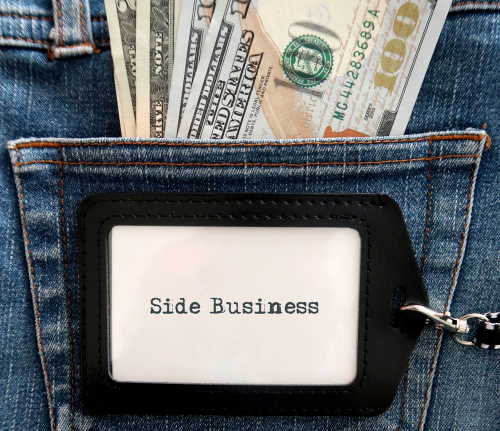 Starting a side hustle today is easier than ever. Between the numerous websites that act as marketplaces and project jobs that can be found on the internet, almost anyone can turn a skill or hobby they have into something they can make money off. Many people who do this are just looking to make a little extra money on the side, but this side hustle can turn into something bigger – and this is where the tax and legal questions come in.
 Reauthorizing Security for Supreme Court Justices Act of 2019 (HR 4258) – This bill reauthorizes the Marshal of the Supreme Court and the Supreme Court Police to protect the Justices of the Supreme Court, their employees and official guests outside of the Supreme Court grounds. The legislation was sponsored by Rep. Greg Stanton (D-AZ). It was introduced on Sept. 9, 2019, and signed into law by the president on Nov. 27, 2019.
 Technology advances continue to reshape industries and businesses – and the accounting industry is no exception. So far, a lot of repetitive tasks are performed with the help of advanced hardware and software. Even for businesses that do not like change, many find themselves making adjustments due to a generation change in the workforce, marketing demands, regulations and client demand. In any case, technology offers strengths once a business adopts new solutions to the accounting processes.
 Believe it or not, it’s 2020. You’re not just starting a new year, you’re entering a new decade. With this in mind, you might want to make some resolutions that focus on your finances. According to Psychology Today,
  A rising tide might lift all boats, but the same cannot be said for the economy.