Paycheck Protection Program Flexibility Act of 2020 (HR 7010) – Rep. Dean Phillips (D-MN) introduced this legislation on May 26. This Act modifies provisions related to small business loans issued under the original Paycheck Protection Program. Specifically, the bill permits forgiveness of loans used to pay expenses incurred over a 24-week period, longer than the original eight-week limit, and extends the timeframe to pay off unforgiven loans from two to five years. This bill also increases the limit on non-payroll expenses up to 40 percent when used to pay for rent, utilities, mortgage interest, and similar fixed costs. Loan recipients have until the end of 2020 to rehire employees with full access to payroll tax deferment. The bill was signed into law by the President on June 5.
Providing for Congressional Disapproval Under Chapter 8 of Title 5, United States Code, of the Rule Submitted by the Department of Education Relating to “Borrower Defense Institutional Accountability” (HJ Res 76) – This bill was introduced on Sept. 26, 2019, by Rep. Susie Lee (D-NV). In response to a September 2019 rule issued by the Department of Education (ED), this resolution sought to reverse a process that no longer allows a borrower to be discharged from a student loan if an educational institution misrepresented material facts. The new rule also requires individual borrowers to apply to ED for a defense to repayment, whereas in the past an application could be submitted on behalf of an entire group (e.g. veterans). This resolution passed in both the House and Senate but was vetoed by the President on May 29. No attempt has been made to override the veto.
USA FREEDOM Reauthorization Act of 2020 (HR 6172) – This bill would reauthorize (through November 2023) provisions related to the Foreign Intelligence and Surveillance Act (FISA). Updated provisions mandate that the FBI may not seek detailed phone records on an ongoing basis, cellular or GPS location information, or any evidence in which there is a reasonable expectation of privacy. Other mandates include certifying that the Department of Justice (DOJ) has received any information that might raise doubts about the application, and imposes additional requirements for FISA authorizations that target a U.S. person, federal elected official or candidate. The bill would increase criminal penalties for unlawful violations of FISA electronic surveillance and expands the criteria for when a FISA court decision shall be declassified. The bill was introduced by Rep. Jerrold Nadler (D-NY) on March 10. It was passed in the House in March and in the Senate, with alterations, in May. The bill was recently put on hold during its second pass in the House.
Robert Levinson Hostage Recovery and Hostage-Taking Accountability Act (S 712) – This bill addresses the wrongful detainment of U.S. nationals abroad. It authorizes the President to appoint 1.) a Special Presidential Envoy for Hostage Affairs to engage in U.S. hostage policy recovery efforts; 2.) an interagency Hostage Recovery Fusion Cell to assess and track all cases and coordinate agency efforts to safely recover hostages; 3.) a Hostage Recovery Group to develop, implement and recommend hostage recovery policies. The bill also gives the President the authority to impose visa- and property-blocking sanctions against foreign nationals responsible for or complicit in the unlawful or wrongful detention of a U.S. national abroad. The bill was introduced by Sen. Robert Menendez (D-NJ) on March 7, 2019. It was passed by the Senate on June 15 and is currently with the House.
Stop Senior Scams Act (S 149) – Sponsored by Sen. Robert Casey Jr. (D-PA), this bill establishes a Senior Scams Prevention Advisory Group to develop educational materials to help employees of retailers, financial services companies and wire transfer companies identify and prevent scams that affect seniors. It was introduced on Jan. 16, 2019, and passed in the Senate on June 10. The legislation is currently under consideration in the House.
Helping Small Business Owners, Seniors and U.S. Hostages, and Limiting Intrusive Domestic Surveillance
July 1, 2020 · Blog, Congress at Work
⏱ 4 min read
Paycheck Protection Program Flexibility Act of 2020 (HR 7010) – Rep. Dean Phillips (D-MN) introduced this legislation on May 26. This Act modifies provisions related to small business loans issued under the original Paycheck Protection Program. Specifically, the bill permits forgiveness of loans used to pay expenses incurred over a 24-week period, longer than the original eight-week limit, and extends the timeframe to pay off unforgiven loans from two to five years. This bill also increases the limit on non-payroll expenses up to 40 percent when used to pay for rent, utilities, mortgage interest, and similar fixed costs. Loan recipients have until the end of 2020 to rehire employees with full access to payroll tax deferment. The bill was signed into law by the President on June 5.
Providing for Congressional Disapproval Under Chapter 8 of Title 5, United States Code, of the Rule Submitted by the Department of Education Relating to “Borrower Defense Institutional Accountability” (HJ Res 76) – This bill was introduced on Sept. 26, 2019, by Rep. Susie Lee (D-NV). In response to a September 2019 rule issued by the Department of Education (ED), this resolution sought to reverse a process that no longer allows a borrower to be discharged from a student loan if an educational institution misrepresented material facts. The new rule also requires individual borrowers to apply to ED for a defense to repayment, whereas in the past an application could be submitted on behalf of an entire group (e.g. veterans). This resolution passed in both the House and Senate but was vetoed by the President on May 29. No attempt has been made to override the veto.
USA FREEDOM Reauthorization Act of 2020 (HR 6172) – This bill would reauthorize (through November 2023) provisions related to the Foreign Intelligence and Surveillance Act (FISA). Updated provisions mandate that the FBI may not seek detailed phone records on an ongoing basis, cellular or GPS location information, or any evidence in which there is a reasonable expectation of privacy. Other mandates include certifying that the Department of Justice (DOJ) has received any information that might raise doubts about the application, and imposes additional requirements for FISA authorizations that target a U.S. person, federal elected official or candidate. The bill would increase criminal penalties for unlawful violations of FISA electronic surveillance and expands the criteria for when a FISA court decision shall be declassified. The bill was introduced by Rep. Jerrold Nadler (D-NY) on March 10. It was passed in the House in March and in the Senate, with alterations, in May. The bill was recently put on hold during its second pass in the House.
Robert Levinson Hostage Recovery and Hostage-Taking Accountability Act (S 712) – This bill addresses the wrongful detainment of U.S. nationals abroad. It authorizes the President to appoint 1.) a Special Presidential Envoy for Hostage Affairs to engage in U.S. hostage policy recovery efforts; 2.) an interagency Hostage Recovery Fusion Cell to assess and track all cases and coordinate agency efforts to safely recover hostages; 3.) a Hostage Recovery Group to develop, implement and recommend hostage recovery policies. The bill also gives the President the authority to impose visa- and property-blocking sanctions against foreign nationals responsible for or complicit in the unlawful or wrongful detention of a U.S. national abroad. The bill was introduced by Sen. Robert Menendez (D-NJ) on March 7, 2019. It was passed by the Senate on June 15 and is currently with the House.
Stop Senior Scams Act (S 149) – Sponsored by Sen. Robert Casey Jr. (D-PA), this bill establishes a Senior Scams Prevention Advisory Group to develop educational materials to help employees of retailers, financial services companies and wire transfer companies identify and prevent scams that affect seniors. It was introduced on Jan. 16, 2019, and passed in the Senate on June 10. The legislation is currently under consideration in the House.
Disclaimer
These articles provide general information on tax, accounting, and financial topics for small businesses and individuals. They are educational in nature and are not specific legal, accounting, financial, tax, or other professional advice, and should not be relied upon as such. This content was prepared by Service2Client and may have been reviewed or edited by the website owner for accuracy and compliance. Look for a trust mark below for verification details. No representation is made that any approach described will achieve a particular result, and no regulatory or professional body has reviewed or endorsed this content. Because each situation is different, readers should consult a qualified professional about their specific circumstances before acting. Images accompanying these articles are protected by copyright and may not be copied or reused.
The HEROES Act, otherwise known as the Health and Economic Recovery Omnibus Emergency Solutions Act, can greatly improve the benefits for the earned income tax credit (EITC) for eligible workers who don’t have children. This legislation would also help wage earners in the business-to-consumer and leisure sectors of the economy impacted severely by the coronavirus pandemic.
Looking at the HEROES Act legislation and how it would help childless wage earners, we need to examine the rules surrounding the EITC and how many additional filers may qualify. While childless students pursuing formal education are still required to be 25 for EITC eligibility, filers as young as 19 (down from 25 years old), as well as filers aged up to 67 (up from 64), are now able to apply for the childless EITC. This legislation would also increase the credit’s ceiling to $1,487, from $538.
Looking at these proposed amendments to the tax code, this would act as a one-time stimulus to the economy when the credit is disbursed to eligible filers, specifically focused on low-income wage earners. Based on a review by the Tax Policy Center, 75 percent of the benefits created by the HEROES Act legislation for the EITC would be directed toward the lowest fifth of U.S. earners. Sectors of the economy that will benefit from this effect include health care, manufacturing, construction, and professional services.
However, there is one consideration that must be taken into account, especially in periods of low economic growth. If eligible wage earners see their earnings fall, then the EITC also will become smaller. There is a possibility that the U.S. House and Senate may work together to modify this legislation to speed up or get rid of the phasing-in process, thereby correcting this flaw.
Another piece of the HEROES Act changes how people can claim the EITC when they file their 2020 taxes. The legislation will allow filers to claim their EITC according to their 2019 or 2020 income, permitting filers to choose the tax year that gives them a more favorable credit. This takes inspiration from other tax years when victims of natural disasters were able to obtain more favorable tax credits. The HEROES Act will give this choice of tax years to all filers eligible for the EITC, not exclusively for childless workers.
Regardless of the process, this could aid in stabilizing economic conditions now or in the future, regardless of why the economy suffers. This is because this legislation would ensure a falling EITC doesn’t increase a wage earner’s overall losses.
Making this type of change to how the EITC is awarded to childless workers would give greater certainty for more predictable financial help and streamline things for legislators and government officials to distribute monies during the next economic downturn.
No matter what form this legislation ultimately takes, if and when it’s signed into law, there are other pieces of legislation containing similar amendments to the EITC found within the HEROES Act. Elements proposed for improving the EITC for eligible filers are contained within the Working Families Tax Relief Act, the Middle-Class Act, and the Cost-of-Living Refund.
HEROES ACT Can Combat Economic Downtown
July 1, 2020 · Blog, Tax and Financial News
⏱ 3 min read
The HEROES Act, otherwise known as the Health and Economic Recovery Omnibus Emergency Solutions Act, can greatly improve the benefits for the earned income tax credit (EITC) for eligible workers who don’t have children. This legislation would also help wage earners in the business-to-consumer and leisure sectors of the economy impacted severely by the coronavirus pandemic.
Looking at the HEROES Act legislation and how it would help childless wage earners, we need to examine the rules surrounding the EITC and how many additional filers may qualify. While childless students pursuing formal education are still required to be 25 for EITC eligibility, filers as young as 19 (down from 25 years old), as well as filers aged up to 67 (up from 64), are now able to apply for the childless EITC. This legislation would also increase the credit’s ceiling to $1,487, from $538.
Looking at these proposed amendments to the tax code, this would act as a one-time stimulus to the economy when the credit is disbursed to eligible filers, specifically focused on low-income wage earners. Based on a review by the Tax Policy Center, 75 percent of the benefits created by the HEROES Act legislation for the EITC would be directed toward the lowest fifth of U.S. earners. Sectors of the economy that will benefit from this effect include health care, manufacturing, construction, and professional services.
However, there is one consideration that must be taken into account, especially in periods of low economic growth. If eligible wage earners see their earnings fall, then the EITC also will become smaller. There is a possibility that the U.S. House and Senate may work together to modify this legislation to speed up or get rid of the phasing-in process, thereby correcting this flaw.
Another piece of the HEROES Act changes how people can claim the EITC when they file their 2020 taxes. The legislation will allow filers to claim their EITC according to their 2019 or 2020 income, permitting filers to choose the tax year that gives them a more favorable credit. This takes inspiration from other tax years when victims of natural disasters were able to obtain more favorable tax credits. The HEROES Act will give this choice of tax years to all filers eligible for the EITC, not exclusively for childless workers.
Regardless of the process, this could aid in stabilizing economic conditions now or in the future, regardless of why the economy suffers. This is because this legislation would ensure a falling EITC doesn’t increase a wage earner’s overall losses.
Making this type of change to how the EITC is awarded to childless workers would give greater certainty for more predictable financial help and streamline things for legislators and government officials to distribute monies during the next economic downturn.
No matter what form this legislation ultimately takes, if and when it’s signed into law, there are other pieces of legislation containing similar amendments to the EITC found within the HEROES Act. Elements proposed for improving the EITC for eligible filers are contained within the Working Families Tax Relief Act, the Middle-Class Act, and the Cost-of-Living Refund.
Disclaimer
These articles provide general information on tax, accounting, and financial topics for small businesses and individuals. They are educational in nature and are not specific legal, accounting, financial, tax, or other professional advice, and should not be relied upon as such. This content was prepared by Service2Client and may have been reviewed or edited by the website owner for accuracy and compliance. Look for a trust mark below for verification details. No representation is made that any approach described will achieve a particular result, and no regulatory or professional body has reviewed or endorsed this content. Because each situation is different, readers should consult a qualified professional about their specific circumstances before acting. Images accompanying these articles are protected by copyright and may not be copied or reused.
If the COVID-19 pandemic isn’t a big enough strain on businesses trying to engage in commerce, whether it’s retailers, restaurants, manufacturers, or those in the service sector, civil unrest puts another strain on surviving the downturn. Based on recommendations from the U.S. Department of Homeland Security and the U.S. Small Business Administration, businesses can prepare for civil unrest.
While the British firm Verisk Maplecroft predicts that 75 countries will see civil unrest in 2020, the United States has already seen its fair share recently. While the future intensity of civil unrest can’t be predicted, businesses can take steps to plan and mitigate such events.
For businesses, the first priority is to ensure employees and customers are not put in harm’s way. If a dangerous situation happens quickly and without warning, there are some steps business owners can take to mitigate the threat.
Plan ahead for travel disruptions by keeping an eye on local media reports and online/social media. This information can be helpful for informing employees and customers not to go to work or order online if a retail outlet or office location is subject to civil unrest.
Ensure that all workers are familiar with emergency and security plans. This might include having current contact information to reach employees before they go to work or giving them time to leave before the situation escalates.
Another recommendation is to take steps against arson, break-ins, and damage sustained to the property. Examples include maintaining employee vigilance against the out-of-the-ordinary activity. Review security and fire protection systems, how alarm companies will notify business owners, and what steps the monitoring companies will take to mitigate against burglary and/or fire. Reinforce locks and board up areas vulnerable to damage or provide easy points of access during civil riots (e.g., protect glass doors and windows).
If first responders take longer than normal to arrive, it’s important to take measures to reduce the chance of serious and unintended damages from the civil unrest. Be it water, gas, electrical or related systems, turning off all but necessary utilities (e.g., water for sprinklers; enough heat to prevent freezing pipes; power for an alarm system) could reduce the risk of additional damage.
Along with having a commercial insurance policy that includes looting as a covered peril, one other important part of a business continuity plan is how important documents are stored. Will they be stored on-premises in a safe? Will they be stored online, in the cloud and encrypted? Will they be stored offsite in a secure location?
Much like other disasters that often happen with little to no warning, businesses that prepare before civil unrest occurs can help reduce the amount of property damaged and help get their operations back to pre-crisis levels.
How Businesses Can Help Protect Themselves Against Civil Unrest
July 1, 2020 · Blog, Guest Post of the Month
⏱ 3 min read
If the COVID-19 pandemic isn’t a big enough strain on businesses trying to engage in commerce, whether it’s retailers, restaurants, manufacturers, or those in the service sector, civil unrest puts another strain on surviving the downturn. Based on recommendations from the U.S. Department of Homeland Security and the U.S. Small Business Administration, businesses can prepare for civil unrest.
While the British firm Verisk Maplecroft predicts that 75 countries will see civil unrest in 2020, the United States has already seen its fair share recently. While the future intensity of civil unrest can’t be predicted, businesses can take steps to plan and mitigate such events.
For businesses, the first priority is to ensure employees and customers are not put in harm’s way. If a dangerous situation happens quickly and without warning, there are some steps business owners can take to mitigate the threat.
Plan ahead for travel disruptions by keeping an eye on local media reports and online/social media. This information can be helpful for informing employees and customers not to go to work or order online if a retail outlet or office location is subject to civil unrest.
Ensure that all workers are familiar with emergency and security plans. This might include having current contact information to reach employees before they go to work or giving them time to leave before the situation escalates.
Another recommendation is to take steps against arson, break-ins, and damage sustained to the property. Examples include maintaining employee vigilance against the out-of-the-ordinary activity. Review security and fire protection systems, how alarm companies will notify business owners, and what steps the monitoring companies will take to mitigate against burglary and/or fire. Reinforce locks and board up areas vulnerable to damage or provide easy points of access during civil riots (e.g., protect glass doors and windows).
If first responders take longer than normal to arrive, it’s important to take measures to reduce the chance of serious and unintended damages from the civil unrest. Be it water, gas, electrical or related systems, turning off all but necessary utilities (e.g., water for sprinklers; enough heat to prevent freezing pipes; power for an alarm system) could reduce the risk of additional damage.
Along with having a commercial insurance policy that includes looting as a covered peril, one other important part of a business continuity plan is how important documents are stored. Will they be stored on-premises in a safe? Will they be stored online, in the cloud and encrypted? Will they be stored offsite in a secure location?
Much like other disasters that often happen with little to no warning, businesses that prepare before civil unrest occurs can help reduce the amount of property damaged and help get their operations back to pre-crisis levels.
These articles provide general information on tax, accounting, and financial topics for small businesses and individuals. They are educational in nature and are not specific legal, accounting, financial, tax, or other professional advice, and should not be relied upon as such. This content was prepared by Service2Client and may have been reviewed or edited by the website owner for accuracy and compliance. Look for a trust mark below for verification details. No representation is made that any approach described will achieve a particular result, and no regulatory or professional body has reviewed or endorsed this content. Because each situation is different, readers should consult a qualified professional about their specific circumstances before acting. Images accompanying these articles are protected by copyright and may not be copied or reused.
With increased cyber threats, there is great awareness of malware that comes attached in files. Individuals and businesses invest in security solutions to protect against malware. In fact, there are often company policies regarding opening attachments on emails; yet there is an increase in a type of threat (though not new), known as the fileless malware.
What is Fileless Malware?
A fileless malware attack is a type of threat that doesn’t involve executable files. Instead, these attacks include scripts that run on browsers, command prompts, Windows PowerShell, Windows Management Instrumentation, VBScripts, or Linux (Python, PERL).
In other words, fileless malware is a form of cyberattack carried out through software that already exists on your device, in your authorized protocols and in applications that you have allowed on your device.
As such, fileless malware is becoming a favorite of cybercriminals because they don’t have to look for ways to install malicious files in your device – they only need to take advantage of built-in tools.
Reported examples of fileless malware include PowerGhost, which has been used in crypto-mining and DDoS attacks.
How It Works
First, note that these attacks are termed fileless because they are not file-based; instead, they hide in computer memory.
The malware launches an attack in various ways. For instance, a malicious code is injected in an application already installed or a user clicks on a legitimate-looking link that loads a remote script.
Another scenario exists within a legitimate-looking website that a user visits; the attackers exploit vulnerabilities in the Flash plugin; and a malicious code runs in the browser memory of the user’s computer.
While file-based malware uses executable files, the fileless type hides in areas where it can’t easily be detected, such as the memory. It is then written directly to the RAM (and not the disk), where it carries out a series of events.
Once in your system, the malware piggybacks on legitimate scripts and executes malicious activities while the legitimate program runs. At this point, it performs malicious activities such as payload delivery, escalating admin privileges, and reconnaissance, among others.
Since it works in-memory (RAM), its operations end when you reboot your system. This makes it more challenging to trace attacks. The fileless malware also may work in cohorts with other attack vectors, such as ransomware.
Detection and prevention
Various security vendors claim to have products that can detect fileless threats, as well as protect endpoint systems.
Successful security solutions need to be able to put in place technologies that enable them to inspect different kinds of operating systems storage, as well as analyze in real-time the execution of patterns of processes in a system.
But even so, one thing is certain: traditional anti-malware software will not detect fileless malware because they are not file-based and they do not they leave footprints. Here are some tips that will help mitigate against fileless attacks:
Regularly update the software on your devices (especially Microsoft applications) to protect against attacks propagated through PowerShell.
Apply an integrated approach that addresses the entire full threat lifecycle. This is possible when you use a multilayered defense mechanism.
Use security solutions that can detect malicious attacks against command prompt (CMD), PowerShell, and whitelisted application scripts.
Use anti-malware tools that include machine learning, as this will limit scripts from creating new polymorphic malware within your environment.
Practice behavior monitoring to help lookout for unusual patterns.
Use memory scanning to help detect patterns of known threats.
Be on the lookout for high CPU usage by legitimate processes and suspicious error messages that appear for no clear reason.
Disable PowerShell and Windows Management Instrumentation (WMI) if you are not utilizing them.
Avoid using macros that have no digital signatures or turn off macros if not being used.
Use endpoint detection and response tools.
Final Thoughts
The cyber threat landscape keeps evolving. Every day, there are more sophisticated threats as criminals keep advancing to take on countermeasures that have been implemented.
Invest in security solutions that mitigate varying classes of threats, especially machine learning technologies. This will help protect against the latest and emerging threats. Also, keep your Windows OS and other installed software up-to-date to reduce the chances of fileless malware attacks.
Despite taking the mentioned measures, it’s important to stay informed of the latest threats and take necessary precautions.
Fileless Malware Poses New Threat to Computer Users
July 1, 2020 · Blog, What's New in Technology
⏱ 4 min read
With increased cyber threats, there is great awareness of malware that comes attached in files. Individuals and businesses invest in security solutions to protect against malware. In fact, there are often company policies regarding opening attachments on emails; yet there is an increase in a type of threat (though not new), known as the fileless malware.
What is Fileless Malware?
A fileless malware attack is a type of threat that doesn’t involve executable files. Instead, these attacks include scripts that run on browsers, command prompts, Windows PowerShell, Windows Management Instrumentation, VBScripts, or Linux (Python, PERL).
In other words, fileless malware is a form of cyberattack carried out through software that already exists on your device, in your authorized protocols and in applications that you have allowed on your device.
As such, fileless malware is becoming a favorite of cybercriminals because they don’t have to look for ways to install malicious files in your device – they only need to take advantage of built-in tools.
Reported examples of fileless malware include PowerGhost, which has been used in crypto-mining and DDoS attacks.
How It Works
First, note that these attacks are termed fileless because they are not file-based; instead, they hide in computer memory.
The malware launches an attack in various ways. For instance, a malicious code is injected in an application already installed or a user clicks on a legitimate-looking link that loads a remote script.
Another scenario exists within a legitimate-looking website that a user visits; the attackers exploit vulnerabilities in the Flash plugin; and a malicious code runs in the browser memory of the user’s computer.
While file-based malware uses executable files, the fileless type hides in areas where it can’t easily be detected, such as the memory. It is then written directly to the RAM (and not the disk), where it carries out a series of events.
Once in your system, the malware piggybacks on legitimate scripts and executes malicious activities while the legitimate program runs. At this point, it performs malicious activities such as payload delivery, escalating admin privileges, and reconnaissance, among others.
Since it works in-memory (RAM), its operations end when you reboot your system. This makes it more challenging to trace attacks. The fileless malware also may work in cohorts with other attack vectors, such as ransomware.
Detection and prevention
Various security vendors claim to have products that can detect fileless threats, as well as protect endpoint systems.
Successful security solutions need to be able to put in place technologies that enable them to inspect different kinds of operating systems storage, as well as analyze in real-time the execution of patterns of processes in a system.
But even so, one thing is certain: traditional anti-malware software will not detect fileless malware because they are not file-based and they do not they leave footprints. Here are some tips that will help mitigate against fileless attacks:
Regularly update the software on your devices (especially Microsoft applications) to protect against attacks propagated through PowerShell.
Apply an integrated approach that addresses the entire full threat lifecycle. This is possible when you use a multilayered defense mechanism.
Use security solutions that can detect malicious attacks against command prompt (CMD), PowerShell, and whitelisted application scripts.
Use anti-malware tools that include machine learning, as this will limit scripts from creating new polymorphic malware within your environment.
Practice behavior monitoring to help lookout for unusual patterns.
Use memory scanning to help detect patterns of known threats.
Be on the lookout for high CPU usage by legitimate processes and suspicious error messages that appear for no clear reason.
Disable PowerShell and Windows Management Instrumentation (WMI) if you are not utilizing them.
Avoid using macros that have no digital signatures or turn off macros if not being used.
Use endpoint detection and response tools.
Final Thoughts
The cyber threat landscape keeps evolving. Every day, there are more sophisticated threats as criminals keep advancing to take on countermeasures that have been implemented.
Invest in security solutions that mitigate varying classes of threats, especially machine learning technologies. This will help protect against the latest and emerging threats. Also, keep your Windows OS and other installed software up-to-date to reduce the chances of fileless malware attacks.
Despite taking the mentioned measures, it’s important to stay informed of the latest threats and take necessary precautions.
Disclaimer
These articles provide general information on tax, accounting, and financial topics for small businesses and individuals. They are educational in nature and are not specific legal, accounting, financial, tax, or other professional advice, and should not be relied upon as such. This content was prepared by Service2Client and may have been reviewed or edited by the website owner for accuracy and compliance. Look for a trust mark below for verification details. No representation is made that any approach described will achieve a particular result, and no regulatory or professional body has reviewed or endorsed this content. Because each situation is different, readers should consult a qualified professional about their specific circumstances before acting. Images accompanying these articles are protected by copyright and may not be copied or reused.
Due to the unprecedented effects of COVID-19, the line between our professional and personal lives has blurred. Trying to take care of job responsibilities from home requires new ways of navigating. Here are a few ideas to help you become more productive while working at home – and stay grounded in these uncertain times.
Dress for Work
As tempting as it might be to stay in your pajamas, don’t. Act as if you’re going into the office: shower put on your work clothes and head to your desk. You’ll feel more focused and professional. According to Heather Yurovsky, founder of Shatter & Shine, one should not underestimate the power of putting on clothes suitable for public viewing. “It makes you feel human, confident and helps draw the line between being at home and being at work,” she says.
Create a Dedicated Space
While working from the kitchen table or couch in your living room might be more comfortable, it also might prohibit your productivity. Set up a home office. Get an extra monitor. Make sure you have dependable internet service. In short, replicate a professional workspace as best you can; one that feels separate from the rest of your home. When your surroundings are more in line with a real office, you’ll be more motivated. Plus, you’ll be able to more easily turn on when your day begins and turn off when it’s over.
Set Up a Plan for the Kids
Even though school’s out, chances are you still have to work. Create a schedule for the kids. Carve out certain hours for activities in designated areas of the house. According to Emily Weinmann of Us Happy Four, one of the best ways to keep the little ones occupied and happy is to prepare activity stations. Another great idea is to prepare snacks the night before and put them in your office, in the fridge or in their rooms. When someone is starving, the snacks will be ready. And finally, relax screen time. When you’re stuck at home and it’s either raining or it’s scalding hot outside, you’ll be grateful for technology.
Keep Regular Hours
If you stick with regular hours, you’ll not only be able to seamlessly transition going back into the office, you’ll also be on the same schedule as your colleagues. Everyone will be working concurrently, so you’ll be more efficient, easier to reach, and productive. When lunchtime comes, leave your home office and eat in the kitchen, the patio, or the backyard. Even though you’re in one place, the simple change of venue will be mentally refreshing.
Set Clear Boundaries
This is especially important if you have other humans in your home. Try your best to discourage intrusions. When you’re in a meeting, shut the door. Lock it if you have to. If your home is more open, put signs in strategic places where people frequent, like the entry to the kitchen or stairs to the basement. This way, they’ll pause and reflect on whether an interruption is really necessary.
Limit Your Intake of News
In a society that’s saturated with news at every turn, it’s tough not to get sucked into the latest tragedy. Be intentional: Turn off the TV during work hours. Don’t visit news sites when you’re at the computer or on your phone. If you feel you must have a bit of news to break up your day, tune in for a few minutes during lunch or in the evening. But even then, be judicious and limit your time. If some story sends you over the edge, turn it off and head outside for a walk. Change the channel. Put on your favorite music.
These days, we’re all doing the best we can, taking life one day at a time. Unless you already work from home or have made a decision that you’ll work from home for the rest of your life, remember that things will change.
Due to the unprecedented effects of COVID-19, the line between our professional and personal lives has blurred. Trying to take care of job responsibilities from home requires new ways of navigating. Here are a few ideas to help you become more productive while working at home – and stay grounded in these uncertain times.
Dress for Work
As tempting as it might be to stay in your pajamas, don’t. Act as if you’re going into the office: shower put on your work clothes and head to your desk. You’ll feel more focused and professional. According to Heather Yurovsky, founder of Shatter & Shine, one should not underestimate the power of putting on clothes suitable for public viewing. “It makes you feel human, confident and helps draw the line between being at home and being at work,” she says.
Create a Dedicated Space
While working from the kitchen table or couch in your living room might be more comfortable, it also might prohibit your productivity. Set up a home office. Get an extra monitor. Make sure you have dependable internet service. In short, replicate a professional workspace as best you can; one that feels separate from the rest of your home. When your surroundings are more in line with a real office, you’ll be more motivated. Plus, you’ll be able to more easily turn on when your day begins and turn off when it’s over.
Set Up a Plan for the Kids
Even though school’s out, chances are you still have to work. Create a schedule for the kids. Carve out certain hours for activities in designated areas of the house. According to Emily Weinmann of Us Happy Four, one of the best ways to keep the little ones occupied and happy is to prepare activity stations. Another great idea is to prepare snacks the night before and put them in your office, in the fridge or in their rooms. When someone is starving, the snacks will be ready. And finally, relax screen time. When you’re stuck at home and it’s either raining or it’s scalding hot outside, you’ll be grateful for technology.
Keep Regular Hours
If you stick with regular hours, you’ll not only be able to seamlessly transition going back into the office, you’ll also be on the same schedule as your colleagues. Everyone will be working concurrently, so you’ll be more efficient, easier to reach, and productive. When lunchtime comes, leave your home office and eat in the kitchen, the patio, or the backyard. Even though you’re in one place, the simple change of venue will be mentally refreshing.
Set Clear Boundaries
This is especially important if you have other humans in your home. Try your best to discourage intrusions. When you’re in a meeting, shut the door. Lock it if you have to. If your home is more open, put signs in strategic places where people frequent, like the entry to the kitchen or stairs to the basement. This way, they’ll pause and reflect on whether an interruption is really necessary.
Limit Your Intake of News
In a society that’s saturated with news at every turn, it’s tough not to get sucked into the latest tragedy. Be intentional: Turn off the TV during work hours. Don’t visit news sites when you’re at the computer or on your phone. If you feel you must have a bit of news to break up your day, tune in for a few minutes during lunch or in the evening. But even then, be judicious and limit your time. If some story sends you over the edge, turn it off and head outside for a walk. Change the channel. Put on your favorite music.
These days, we’re all doing the best we can, taking life one day at a time. Unless you already work from home or have made a decision that you’ll work from home for the rest of your life, remember that things will change.
These articles provide general information on tax, accounting, and financial topics for small businesses and individuals. They are educational in nature and are not specific legal, accounting, financial, tax, or other professional advice, and should not be relied upon as such. This content was prepared by Service2Client and may have been reviewed or edited by the website owner for accuracy and compliance. Look for a trust mark below for verification details. No representation is made that any approach described will achieve a particular result, and no regulatory or professional body has reviewed or endorsed this content. Because each situation is different, readers should consult a qualified professional about their specific circumstances before acting. Images accompanying these articles are protected by copyright and may not be copied or reused.
That year or two when you are closing in on your retirement date, followed by a year or two after you retire, are the worst times for a sustained market decline. Market analysts call this scenario the sequence of returns (SOR) risk – because once your principal has been significantly reduced, there’s not enough time in the market left for you to recover those losses.
Two things will likely happen. First, the amount of retirement income you can withdraw each year is irrevocably reduced. For example, if you were planning to withdraw 4 percent a year from a $350,000 portfolio, you would have received a supplementary income of $14,000 a year. But if your principal drops to $280,000 a year, your 4 percent draw will generate only $11,200 a year. If you need that additional money, you will have to increase your draw to about 5 percent of the principal each year.
This leads us to the second consequence of a market decline: your principal will diminish faster. The longer you live, the greater your chances of running out of money.
How Big Is This Problem?
Because the coronavirus pandemic has sent stock markets reeling over the past few months, SOR risk has become a widespread concern. According to research by Spectrem Group, at the end of 2019, there were 11 million millionaires in the United States. By the end of March this year, at least half a million of those people were no longer millionaires.
While losses among millionaires may be disconcerting, the situation is far direr for middle-class investors, who might not have several hundred thousand dollars to spare in their retirement portfolio.
Strategies To Offset SOR Risk
If the last recession is any indicator, the economic recovery going forward could take several years. That’s not good news for people who were looking forward to retirement. This group may want to seriously consider the merits of delaying retirement and continuing to work longer, such as:
Allowing their portfolio time to recover
Continuing to contribute to tax-advantaged retirement accounts
Enabling their Social Security benefits to accrue higher
Another strategy to help protect your portfolio against future SOR risk is to position a larger allocation to fixed-income assets and/or an annuity. While this might limit your potential for income growth in the future, these assets are backed by more reliable payors and less subject to the vagaries of the stock market. By diversifying your current assets, you can build multiple streams of reliable income to protect you from the future threat of market losses, a global pandemic, or changes in Social Security benefits.
It’s worth considering that once we emerge from this current crisis, legislators will have to find a way to deal with the federal deficit and growing debt. The Social Security program was already projected to cut benefits by 2035 without any new funding solutions. Now, that threat is even further exacerbated by the enormous jump in unemployment numbers. This situation leaves even fewer people paying into the Social Security and Medicare programs.
All of this is why it’s very important to address today’s challenges presented by the sequence of returns risk. Explore ways to develop multiple income streams to protect your current assets and ensure they last throughout your lifetime.
Why Sequence of Returns Risk Matters Now
June 1, 2020 · Blog, Financial Planning
⏱ 3 min read
That year or two when you are closing in on your retirement date, followed by a year or two after you retire, are the worst times for a sustained market decline. Market analysts call this scenario the sequence of returns (SOR) risk – because once your principal has been significantly reduced, there’s not enough time in the market left for you to recover those losses.
Two things will likely happen. First, the amount of retirement income you can withdraw each year is irrevocably reduced. For example, if you were planning to withdraw 4 percent a year from a $350,000 portfolio, you would have received a supplementary income of $14,000 a year. But if your principal drops to $280,000 a year, your 4 percent draw will generate only $11,200 a year. If you need that additional money, you will have to increase your draw to about 5 percent of the principal each year.
This leads us to the second consequence of a market decline: your principal will diminish faster. The longer you live, the greater your chances of running out of money.
How Big Is This Problem?
Because the coronavirus pandemic has sent stock markets reeling over the past few months, SOR risk has become a widespread concern. According to research by Spectrem Group, at the end of 2019, there were 11 million millionaires in the United States. By the end of March this year, at least half a million of those people were no longer millionaires.
While losses among millionaires may be disconcerting, the situation is far direr for middle-class investors, who might not have several hundred thousand dollars to spare in their retirement portfolio.
Strategies To Offset SOR Risk
If the last recession is any indicator, the economic recovery going forward could take several years. That’s not good news for people who were looking forward to retirement. This group may want to seriously consider the merits of delaying retirement and continuing to work longer, such as:
Allowing their portfolio time to recover
Continuing to contribute to tax-advantaged retirement accounts
Enabling their Social Security benefits to accrue higher
Another strategy to help protect your portfolio against future SOR risk is to position a larger allocation to fixed-income assets and/or an annuity. While this might limit your potential for income growth in the future, these assets are backed by more reliable payors and less subject to the vagaries of the stock market. By diversifying your current assets, you can build multiple streams of reliable income to protect you from the future threat of market losses, a global pandemic, or changes in Social Security benefits.
It’s worth considering that once we emerge from this current crisis, legislators will have to find a way to deal with the federal deficit and growing debt. The Social Security program was already projected to cut benefits by 2035 without any new funding solutions. Now, that threat is even further exacerbated by the enormous jump in unemployment numbers. This situation leaves even fewer people paying into the Social Security and Medicare programs.
All of this is why it’s very important to address today’s challenges presented by the sequence of returns risk. Explore ways to develop multiple income streams to protect your current assets and ensure they last throughout your lifetime.
Disclaimer
These articles provide general information on tax, accounting, and financial topics for small businesses and individuals. They are educational in nature and are not specific legal, accounting, financial, tax, or other professional advice, and should not be relied upon as such. This content was prepared by Service2Client and may have been reviewed or edited by the website owner for accuracy and compliance. Look for a trust mark below for verification details. No representation is made that any approach described will achieve a particular result, and no regulatory or professional body has reviewed or endorsed this content. Because each situation is different, readers should consult a qualified professional about their specific circumstances before acting. Images accompanying these articles are protected by copyright and may not be copied or reused.
After seeing a peak and then a sustained decline in coronavirus cases, hospitalizations, and deaths resulting from COVID-19, the White House and the Centers for Disease Control and Prevention has rolled out a three-tier approach to get the nation back to its pre-coronavirus economic activities.
While this program is led by the Federal Government, it is ultimately up to governors how they will reopen states and localities. However, there are some universal criteria that states must follow to gradually reopen the economy.
Before transitioning from the stay-at-home orders to the three phases, certain criteria must be met. In order to move to less restrictive phases, there must be a dropping trend of documented cases over 14 continuous days or a downward trajectory of positive tests as a percent of total tests over 14 continuous days, according to guidelines set out by the White House and the CDC. Once the initial gating criteria are met, the local government can move into phase one.
Phase One
This stage will permit establishments such as places of worship, movie theaters, restaurants, and sporting arenas to reopen if they abide by strict social distancing guidelines. Along with recommending stringent sanitation guidelines for permitted establishments to reopen, this phase also suggests telework for employees and minimizing nonessential travel.
Phase Two
Schools, daycare centers, and camps (and similar events) could resume, along with nonessential travel. Establishments permitted to reopen in phase one can remain open and are now permitted to relax their physical distancing to a moderate level. Bars can start reopening, with diminished standing-room occupancy, and gyms can stay open with strict distancing and sanitation protocols.
Phase Three
This phase would come into force when the state and/or locality has no evidence of a relapse. Worksites would see normal staff protocols without restrictions. Large establishments will be able to function under limited social distancing protocols; gyms will operate with standard sanitation protocols, and bars would be able to run with increased standing room occupancy.
As states across the country are reopening, there are many preparations that businesses can implement to stay compliant with government mandates, including re-integrating their workforce and encouraging customers to return to establishments.
Sanitation
Along with social distancing, maintaining sanitation is equally important. Encouraging workers to wash their hands at every available opportunity, including upon arriving at work; before and after eating; after touching doors, desks, keyboards, and other materials; using the restrooms, etc.
Cleaning
Whether it’s an office environment or a retail/restaurant establishment, cleaning surfaces at least once a day is recommended, but more often for surfaces that are touched or used during the course of business. Examples of items to sanitize regularly throughout the day include handles, tables, elevator buttons, sinks, registers, and point of sale terminals.
Signage
Reminding employees and visitors to go home if they have symptoms or have been exposed to the coronavirus through signage is recommended. A protocol to contact the front office based on these circumstances should be implemented.
Encouraging Telework
Identifying tasks suitable for telecommuting versus in-office is helpful for task completion, as well as promoting social distancing. Look at the perspective of work from two buckets – solitary or collaborative – and telecommuting and office time can be split accordingly. If an employee is tasked with writing reports, performing research, or calling experts, he or she could easily work from home. While collaborative work can be done remotely, it is better to be done at the office.
Other Considerations
Along with face masks, there are other ways to reduce the potential for coronavirus transmission. Offices and other establishments can have fewer seats in common rooms, using tape to mark 6 feet or more of distance. When it comes to hallways, one way to stop face-to-face exposure is to have one-way corridors. While it might create longer days, staggering shifts to reduce the number of people in the office and rearranging breaks would also reduce unnecessary employee-to-employee interactions.
Ditching cash as an accepted form of payment is another way to reduce the likelihood of coming into contact with the coronavirus on currency, along with encouraging social distancing since cash doesn’t need to be exchanged. Using online/digital payments or credit cards only is one way to accomplish this. Using designated entrances for workers (or customers), coupled with designated entrances and exits can help reduce opposing traffic and people meeting face-to-face.
While research continues to create a vaccine and render the coronavirus harmless, until that happens, businesses have many tools to reopen their businesses for the foreseeable future.
Understanding the Federal Government’s Proposal for Opening Up Again
June 1, 2020 · Blog, General Business News
⏱ 4 min read
After seeing a peak and then a sustained decline in coronavirus cases, hospitalizations, and deaths resulting from COVID-19, the White House and the Centers for Disease Control and Prevention has rolled out a three-tier approach to get the nation back to its pre-coronavirus economic activities.
While this program is led by the Federal Government, it is ultimately up to governors how they will reopen states and localities. However, there are some universal criteria that states must follow to gradually reopen the economy.
Before transitioning from the stay-at-home orders to the three phases, certain criteria must be met. In order to move to less restrictive phases, there must be a dropping trend of documented cases over 14 continuous days or a downward trajectory of positive tests as a percent of total tests over 14 continuous days, according to guidelines set out by the White House and the CDC. Once the initial gating criteria are met, the local government can move into phase one.
Phase One
This stage will permit establishments such as places of worship, movie theaters, restaurants, and sporting arenas to reopen if they abide by strict social distancing guidelines. Along with recommending stringent sanitation guidelines for permitted establishments to reopen, this phase also suggests telework for employees and minimizing nonessential travel.
Phase Two
Schools, daycare centers, and camps (and similar events) could resume, along with nonessential travel. Establishments permitted to reopen in phase one can remain open and are now permitted to relax their physical distancing to a moderate level. Bars can start reopening, with diminished standing-room occupancy, and gyms can stay open with strict distancing and sanitation protocols.
Phase Three
This phase would come into force when the state and/or locality has no evidence of a relapse. Worksites would see normal staff protocols without restrictions. Large establishments will be able to function under limited social distancing protocols; gyms will operate with standard sanitation protocols, and bars would be able to run with increased standing room occupancy.
As states across the country are reopening, there are many preparations that businesses can implement to stay compliant with government mandates, including re-integrating their workforce and encouraging customers to return to establishments.
Sanitation
Along with social distancing, maintaining sanitation is equally important. Encouraging workers to wash their hands at every available opportunity, including upon arriving at work; before and after eating; after touching doors, desks, keyboards, and other materials; using the restrooms, etc.
Cleaning
Whether it’s an office environment or a retail/restaurant establishment, cleaning surfaces at least once a day is recommended, but more often for surfaces that are touched or used during the course of business. Examples of items to sanitize regularly throughout the day include handles, tables, elevator buttons, sinks, registers, and point of sale terminals.
Signage
Reminding employees and visitors to go home if they have symptoms or have been exposed to the coronavirus through signage is recommended. A protocol to contact the front office based on these circumstances should be implemented.
Encouraging Telework
Identifying tasks suitable for telecommuting versus in-office is helpful for task completion, as well as promoting social distancing. Look at the perspective of work from two buckets – solitary or collaborative – and telecommuting and office time can be split accordingly. If an employee is tasked with writing reports, performing research, or calling experts, he or she could easily work from home. While collaborative work can be done remotely, it is better to be done at the office.
Other Considerations
Along with face masks, there are other ways to reduce the potential for coronavirus transmission. Offices and other establishments can have fewer seats in common rooms, using tape to mark 6 feet or more of distance. When it comes to hallways, one way to stop face-to-face exposure is to have one-way corridors. While it might create longer days, staggering shifts to reduce the number of people in the office and rearranging breaks would also reduce unnecessary employee-to-employee interactions.
Ditching cash as an accepted form of payment is another way to reduce the likelihood of coming into contact with the coronavirus on currency, along with encouraging social distancing since cash doesn’t need to be exchanged. Using online/digital payments or credit cards only is one way to accomplish this. Using designated entrances for workers (or customers), coupled with designated entrances and exits can help reduce opposing traffic and people meeting face-to-face.
While research continues to create a vaccine and render the coronavirus harmless, until that happens, businesses have many tools to reopen their businesses for the foreseeable future.
These articles provide general information on tax, accounting, and financial topics for small businesses and individuals. They are educational in nature and are not specific legal, accounting, financial, tax, or other professional advice, and should not be relied upon as such. This content was prepared by Service2Client and may have been reviewed or edited by the website owner for accuracy and compliance. Look for a trust mark below for verification details. No representation is made that any approach described will achieve a particular result, and no regulatory or professional body has reviewed or endorsed this content. Because each situation is different, readers should consult a qualified professional about their specific circumstances before acting. Images accompanying these articles are protected by copyright and may not be copied or reused.
Paycheck Protection Program and Health Care Enhancement Act (HR 266) – This is a multilayered legislative bill divided into four distinct sections. Phase 1 authorized funding for coronavirus preparedness and response; specifically, for measures such as vaccine development and public health funding. Most of the money was allocated to the Department of Health and Human Services. Approximately 81 percent of funds were allocated domestically, with the other 19 percent allocated internationally.
Phase 2 allocated $104 billion for three specific objectives: 1) Require private health insurance plans and Medicare to cover COVID-19 testing; 2) Expand unemployment insurance by $1 billion and loosen up eligibility requirements; 3) Provide for paid sick leave at an employee’s full salary, up to $511 per day, and paid family leave at two-thirds of a worker’s usual salary.
Phase 3 provided stimulus checks to individuals and “grants” to small businesses meeting specific criteria, such as keeping employees on the payroll for two months. This phase of the bill represents by far the most expensive single spending bill ever enacted in American history, at about $2.2 trillion.
And finally, the last phase of the bill provided funding to replenish the Paycheck Protection Program (PPP) for small businesses and shore up public health measures, such as virus testing and hospital funding. The bill was signed into law by the president on April 24.
VA Tele-Hearing Modernization Act (HR 4771) – This bill amended previous guidelines to allow appellants to appear in cases before the Board of Veterans’ Appeals by picture and voice transmission from locations outside the Department of Veterans Affairs. The bill was introduced by Rep. Joe Cunningham (D-SC) on Oct. 21, 2019, and signed into law by the president on April 10.
Safeguarding America’s First Responders Act of 2020 (S 3607) – Sponsored by Sen. Chuck Grassley (R-IA), this bill was introduced on May 5 and passed in the Senate on May 14. The legislation is designed to extend death benefits to public safety officers whose deaths are caused by COVID-19, and for other purposes. The bill is currently under consideration in the House.
Law Enforcement Suicide Data Collection Act (S 2746) – Sen. Catherine Cortez Masto (D-NV) introduced this legislation on Oct. 30, 2019. The act would require the director of the FBI to provide information on suicide rates in law enforcement, and for other purposes. It was passed in the Senate on May 14 and is currently being considered by the House.
HEROES Act (HR 6800) – This bill was introduced on May 12 by Rep. Nita Lowey (D-NY). In response to the COVID-19 outbreak, this bill is designed to provide emergency supplemental appropriations for a variety of applications, including assistance to state, local, tribal and territorial governments; further, expand paid sick days, family and medical leave; unemployment compensation; nutrition and food assistance programs; housing assistance; payments to farmers; and the Paycheck Protection Program. It also outlines several potential tax credits and deductions and requires employers to develop and implement infectious disease exposure control plans. The House passed this bill on May 15; it is currently in the Senate for consideration.
In the Wake of the Coronavirus Pandemic, Congress Passes the Most Expensive Single Spending Bill in American History
June 1, 2020 · Blog, Congress at Work
⏱ 3 min read
Paycheck Protection Program and Health Care Enhancement Act (HR 266) – This is a multilayered legislative bill divided into four distinct sections. Phase 1 authorized funding for coronavirus preparedness and response; specifically, for measures such as vaccine development and public health funding. Most of the money was allocated to the Department of Health and Human Services. Approximately 81 percent of funds were allocated domestically, with the other 19 percent allocated internationally.
Phase 2 allocated $104 billion for three specific objectives: 1) Require private health insurance plans and Medicare to cover COVID-19 testing; 2) Expand unemployment insurance by $1 billion and loosen up eligibility requirements; 3) Provide for paid sick leave at an employee’s full salary, up to $511 per day, and paid family leave at two-thirds of a worker’s usual salary.
Phase 3 provided stimulus checks to individuals and “grants” to small businesses meeting specific criteria, such as keeping employees on the payroll for two months. This phase of the bill represents by far the most expensive single spending bill ever enacted in American history, at about $2.2 trillion.
And finally, the last phase of the bill provided funding to replenish the Paycheck Protection Program (PPP) for small businesses and shore up public health measures, such as virus testing and hospital funding. The bill was signed into law by the president on April 24.
VA Tele-Hearing Modernization Act (HR 4771) – This bill amended previous guidelines to allow appellants to appear in cases before the Board of Veterans’ Appeals by picture and voice transmission from locations outside the Department of Veterans Affairs. The bill was introduced by Rep. Joe Cunningham (D-SC) on Oct. 21, 2019, and signed into law by the president on April 10.
Safeguarding America’s First Responders Act of 2020 (S 3607) – Sponsored by Sen. Chuck Grassley (R-IA), this bill was introduced on May 5 and passed in the Senate on May 14. The legislation is designed to extend death benefits to public safety officers whose deaths are caused by COVID-19, and for other purposes. The bill is currently under consideration in the House.
Law Enforcement Suicide Data Collection Act (S 2746) – Sen. Catherine Cortez Masto (D-NV) introduced this legislation on Oct. 30, 2019. The act would require the director of the FBI to provide information on suicide rates in law enforcement, and for other purposes. It was passed in the Senate on May 14 and is currently being considered by the House.
HEROES Act (HR 6800) – This bill was introduced on May 12 by Rep. Nita Lowey (D-NY). In response to the COVID-19 outbreak, this bill is designed to provide emergency supplemental appropriations for a variety of applications, including assistance to state, local, tribal and territorial governments; further, expand paid sick days, family and medical leave; unemployment compensation; nutrition and food assistance programs; housing assistance; payments to farmers; and the Paycheck Protection Program. It also outlines several potential tax credits and deductions and requires employers to develop and implement infectious disease exposure control plans. The House passed this bill on May 15; it is currently in the Senate for consideration.
Disclaimer
These articles provide general information on tax, accounting, and financial topics for small businesses and individuals. They are educational in nature and are not specific legal, accounting, financial, tax, or other professional advice, and should not be relied upon as such. This content was prepared by Service2Client and may have been reviewed or edited by the website owner for accuracy and compliance. Look for a trust mark below for verification details. No representation is made that any approach described will achieve a particular result, and no regulatory or professional body has reviewed or endorsed this content. Because each situation is different, readers should consult a qualified professional about their specific circumstances before acting. Images accompanying these articles are protected by copyright and may not be copied or reused.
The CARES Act stimulus package substantially relaxed the rules around certain retirement account loan and distribution requirements, but with much confusion. As a result, the IRS recently put out a FAQ document to address the COVID-19 rule relaxation around IRA and 401(k) loans and distributions. This important information should come as welcome news for the nearly one percent of all retirement plan holders who have already taken a distribution under the new rules, according to Fidelity Investments.
Who’s eligible?
If you, a spouse or dependent tested positive for COVID-19, you automatically qualify. You also may qualify under less direct circumstances, such as experiencing economic hardship due to being quarantined, laid off, receiving a reduction in work hours, or missing work because you don’t have childcare. Business owners who are forced to close or reduce operating hours also qualify.
How Much Can I Take Out?
COVID-19 impacted individuals can take up to $100k in distributions without paying the 10 percent penalty imposed on early withdrawals by people under 59 1/2 years old. The $100,000 limit is the total for all the plans you have. For example, if you take $70k out of your 401(k), you can take only up to $30k out of your IRA under these rules. You will still owe taxes on the distributions as ordinary income; however, you are able to pay the taxes owed over a three-year period.
Can I Pay Myself Back?
The law also allows you to pay yourself back. Taxpayers can replace their distributions if they do so within a three-year timeframe. This means that if you take out a distribution in 2020, start to pay the taxes owed over the three-year rule and then pay back the distribution in 2022, you’ll be able to amend your 2020 and 2021 returns to get a refund, as well as not pay the tax you would have owed in 2022.
How Do Loans Work?
The maximum amount you can borrow increases from $50,000 to $100,000. You also can borrow the entire amount of your plan balance up to this limit (net of any outstanding loans). Moreover, for any loans you already have within the plan, the due date for payments due through the end of 2020 can be postponed for up to one year.
Is There Anything Else I Should Know?
Yes. First, there is more guidance coming from the IRS. Second, if you are eager to know what this formal guidance will look like, you can turn to the Hurricane Katrina relief rules from 2005 as this is what is expected will apply for the COVID-19 measures as well. Lastly, the IRS will generate a new form 8915E where taxpayers will report the repayment of COVID-19 covered distributions.
IRS Questions and Answers on COVID-19 IRA and 401(k) Loans & Distributions
June 1, 2020 · Blog, Tax and Financial News
⏱ 3 min read
The CARES Act stimulus package substantially relaxed the rules around certain retirement account loan and distribution requirements, but with much confusion. As a result, the IRS recently put out a FAQ document to address the COVID-19 rule relaxation around IRA and 401(k) loans and distributions. This important information should come as welcome news for the nearly one percent of all retirement plan holders who have already taken a distribution under the new rules, according to Fidelity Investments.
Who’s eligible?
If you, a spouse or dependent tested positive for COVID-19, you automatically qualify. You also may qualify under less direct circumstances, such as experiencing economic hardship due to being quarantined, laid off, receiving a reduction in work hours, or missing work because you don’t have childcare. Business owners who are forced to close or reduce operating hours also qualify.
How Much Can I Take Out?
COVID-19 impacted individuals can take up to $100k in distributions without paying the 10 percent penalty imposed on early withdrawals by people under 59 1/2 years old. The $100,000 limit is the total for all the plans you have. For example, if you take $70k out of your 401(k), you can take only up to $30k out of your IRA under these rules. You will still owe taxes on the distributions as ordinary income; however, you are able to pay the taxes owed over a three-year period.
Can I Pay Myself Back?
The law also allows you to pay yourself back. Taxpayers can replace their distributions if they do so within a three-year timeframe. This means that if you take out a distribution in 2020, start to pay the taxes owed over the three-year rule and then pay back the distribution in 2022, you’ll be able to amend your 2020 and 2021 returns to get a refund, as well as not pay the tax you would have owed in 2022.
How Do Loans Work?
The maximum amount you can borrow increases from $50,000 to $100,000. You also can borrow the entire amount of your plan balance up to this limit (net of any outstanding loans). Moreover, for any loans you already have within the plan, the due date for payments due through the end of 2020 can be postponed for up to one year.
Is There Anything Else I Should Know?
Yes. First, there is more guidance coming from the IRS. Second, if you are eager to know what this formal guidance will look like, you can turn to the Hurricane Katrina relief rules from 2005 as this is what is expected will apply for the COVID-19 measures as well. Lastly, the IRS will generate a new form 8915E where taxpayers will report the repayment of COVID-19 covered distributions.
Disclaimer
These articles provide general information on tax, accounting, and financial topics for small businesses and individuals. They are educational in nature and are not specific legal, accounting, financial, tax, or other professional advice, and should not be relied upon as such. This content was prepared by Service2Client and may have been reviewed or edited by the website owner for accuracy and compliance. Look for a trust mark below for verification details. No representation is made that any approach described will achieve a particular result, and no regulatory or professional body has reviewed or endorsed this content. Because each situation is different, readers should consult a qualified professional about their specific circumstances before acting. Images accompanying these articles are protected by copyright and may not be copied or reused.
The first Payroll Protection Program (PPP) loans were made over eight weeks ago, which means they may be forgivable if the guidelines set forth by the Small Business Administration (SBA) and the United States Treasury Department are met.
In order to have a loan forgiven, borrowers need to complete the 11-page application made available by the Treasury Department. Applicants can complete the forms either in hard copy or via an online platform if provided by their lender. Large borrowers, or those who took out more than $2 million from the PPP program, are required to file even more paperwork.
Along with the application, borrowers need to submit a Forgiveness Amount Calculation. This calculation discloses the total eligible payroll costs paid during the program. Applicants will also need documentation, such as tax filing statements, utilities, PPP loan contracts, EIDL contracts, and any supporting documents that were used when applying for the PPP loan.
Certification of the loan forgiveness amount requested is necessary to prove it was truly used to pay eligible costs, such as payroll, business mortgage interest, rent or lease payments, and utilities. Further, borrowers must report any declines in the number of full-time equivalent employees (FTEs) and/or wage reductions more than 25 percent. Failing to retain pre-program FTE headcount or wage reductions over this threshold will reduce the eligible amount of loan forgiveness.
The amount of paperwork necessary to substantiate the application can be daunting, especially for many “main street” businesses. In order to help you complete the application, the SBA has issued formal guidance that can be found here. And a more user-friendly guide giving detailed instructions on how to fill out your PPP forgiveness application form can be found here, provided by Bench.We can assist you with the application process itself and the required documentation. Give us a call to see how we can help instead of struggling through the process on your own.
Payroll Protection Program Loan Forgiveness is Here
June 1, 2020 · Blog, Guest Post of the Month
⏱ 2 min read
The first Payroll Protection Program (PPP) loans were made over eight weeks ago, which means they may be forgivable if the guidelines set forth by the Small Business Administration (SBA) and the United States Treasury Department are met.
In order to have a loan forgiven, borrowers need to complete the 11-page application made available by the Treasury Department. Applicants can complete the forms either in hard copy or via an online platform if provided by their lender. Large borrowers, or those who took out more than $2 million from the PPP program, are required to file even more paperwork.
Along with the application, borrowers need to submit a Forgiveness Amount Calculation. This calculation discloses the total eligible payroll costs paid during the program. Applicants will also need documentation, such as tax filing statements, utilities, PPP loan contracts, EIDL contracts, and any supporting documents that were used when applying for the PPP loan.
Certification of the loan forgiveness amount requested is necessary to prove it was truly used to pay eligible costs, such as payroll, business mortgage interest, rent or lease payments, and utilities. Further, borrowers must report any declines in the number of full-time equivalent employees (FTEs) and/or wage reductions more than 25 percent. Failing to retain pre-program FTE headcount or wage reductions over this threshold will reduce the eligible amount of loan forgiveness.
The amount of paperwork necessary to substantiate the application can be daunting, especially for many “main street” businesses. In order to help you complete the application, the SBA has issued formal guidance that can be found here. And a more user-friendly guide giving detailed instructions on how to fill out your PPP forgiveness application form can be found here, provided by Bench.We can assist you with the application process itself and the required documentation. Give us a call to see how we can help instead of struggling through the process on your own.
Disclaimer
These articles provide general information on tax, accounting, and financial topics for small businesses and individuals. They are educational in nature and are not specific legal, accounting, financial, tax, or other professional advice, and should not be relied upon as such. This content was prepared by Service2Client and may have been reviewed or edited by the website owner for accuracy and compliance. Look for a trust mark below for verification details. No representation is made that any approach described will achieve a particular result, and no regulatory or professional body has reviewed or endorsed this content. Because each situation is different, readers should consult a qualified professional about their specific circumstances before acting. Images accompanying these articles are protected by copyright and may not be copied or reused.

 Paycheck Protection Program Flexibility Act of 2020 (HR 7010) – Rep. Dean Phillips (D-MN) introduced this legislation on May 26. This Act modifies provisions related to small business loans issued under the original Paycheck Protection Program. Specifically, the bill permits forgiveness of loans used to pay expenses incurred over a 24-week period, longer than the original eight-week limit, and extends the timeframe to pay off unforgiven loans from two to five years. This bill also increases the limit on non-payroll expenses up to 40 percent when used to pay for rent, utilities, mortgage interest, and similar fixed costs. Loan recipients have until the end of 2020 to rehire employees with full access to payroll tax deferment. The bill was signed into law by the President on June 5.


 The HEROES Act, otherwise known as the Health and Economic Recovery Omnibus Emergency Solutions Act, can greatly improve the benefits for the earned income tax credit (EITC) for eligible workers who don’t have children. This legislation would also help wage earners in the business-to-consumer and leisure sectors of the economy impacted severely by the coronavirus pandemic.
 If the COVID-19 pandemic isn’t a big enough strain on businesses trying to engage in commerce, whether it’s retailers, restaurants, manufacturers, or those in the service sector, civil unrest puts another strain on surviving the downturn. Based on recommendations from the U.S. Department of Homeland Security and the U.S. Small Business Administration, businesses can prepare for civil unrest.
 With increased cyber threats, there is great awareness of malware that comes attached in files. Individuals and businesses invest in security solutions to protect against malware. In fact, there are often company policies regarding opening attachments on emails; yet there is an increase in a type of threat (though not new), known as the fileless malware.
 Due to the unprecedented effects of COVID-19, the line between our professional and personal lives has blurred. Trying to take care of job responsibilities from home requires new ways of navigating. Here are a few ideas to help you become more productive while working at home – and stay grounded in these uncertain times.
 That year or two when you are closing in on your retirement date, followed by a year or two after you retire, are the worst times for a sustained market decline. Market analysts call this scenario the sequence of returns (SOR) risk – because once your principal has been significantly reduced, there’s not enough time in the market left for you to recover those losses.
 After seeing a peak and then a sustained decline in coronavirus cases, hospitalizations, and deaths resulting from COVID-19, the White House and the Centers for Disease Control and Prevention has rolled out a three-tier approach to get the nation back to its pre-coronavirus economic activities.
 Phase 2 allocated $104 billion for three specific objectives: 1) Require private health insurance plans and Medicare to cover COVID-19 testing; 2) Expand unemployment insurance by $1 billion and loosen up eligibility requirements; 3) Provide for paid sick leave at an employee’s full salary, up to $511 per day, and paid family leave at two-thirds of a worker’s usual salary.
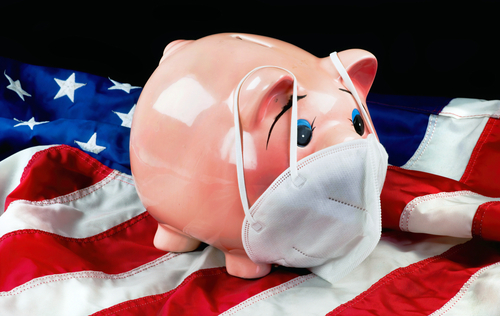 The CARES Act stimulus package substantially relaxed the rules around certain retirement account loan and distribution requirements, but with much confusion. As a result, the IRS recently put out a FAQ document to address the COVID-19 rule relaxation around IRA and 401(k) loans and distributions. This important information should come as welcome news for the nearly one percent of all retirement plan holders who have already taken a distribution under the new rules, according to Fidelity Investments.